Clear Quotes, Before and After Photos, and Better Communication: Why It Matters
Poor documentation costs Sydney buildings thousands every year in failed insurance claims, disputed variations, and committee decisions made without the information to make them properly.
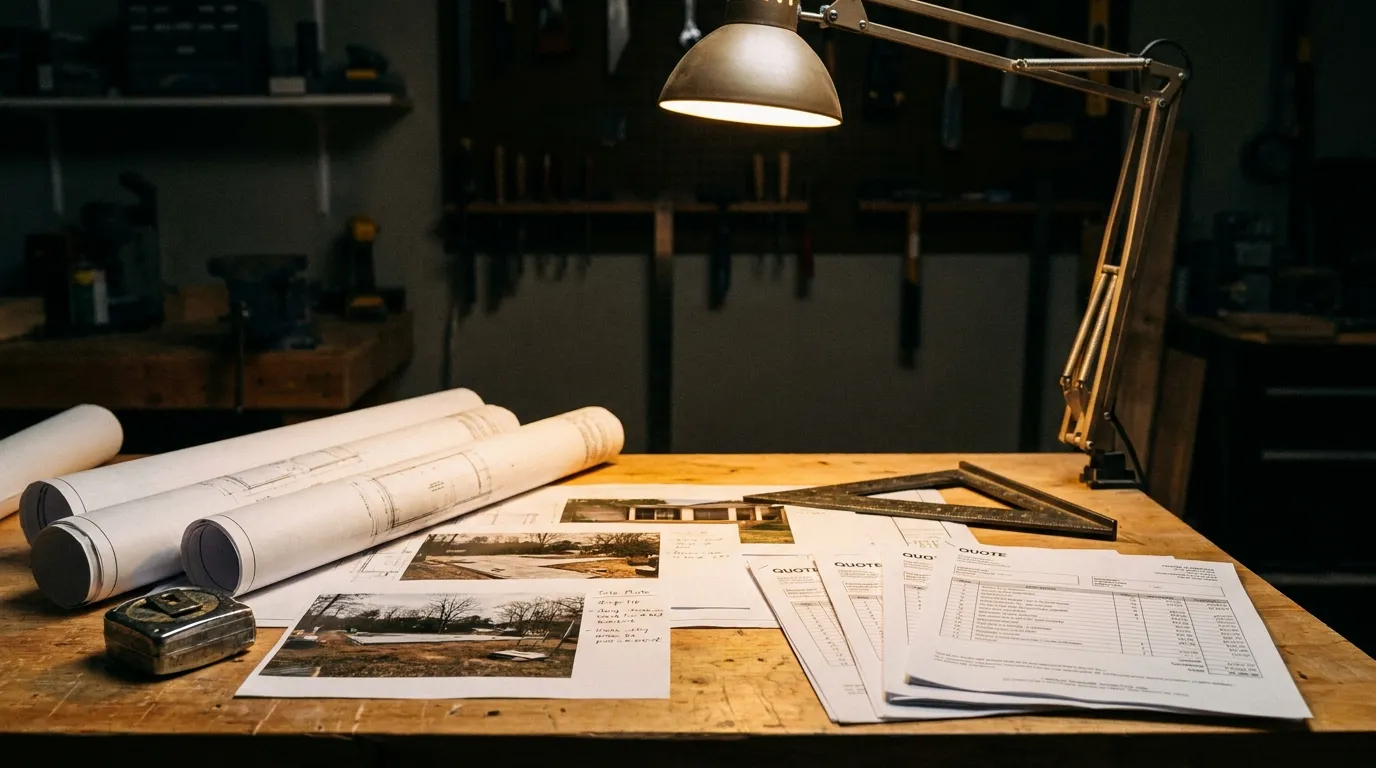
A property manager in Pyrmont once told us the hardest part of her job wasn't finding contractors. It was having enough information to report to the committee after the work was done. In six years managing a 42-lot building, she had received a completion photo exactly once from a contractor who wasn't us. The rest of the time, she was reporting from memory, phone call notes, or not reporting at all because she had nothing to show.
That gap between what happened on a building and what can be demonstrated to have happened costs Sydney buildings money every year. It fails insurance claims. It loses variation disputes. It prevents committees from making informed decisions about maintenance priorities. The fix is not complicated, but it requires contractors who treat documentation as part of the job, not as an afterthought once the invoice is sent.
The Three Places Poor Documentation Costs You
The Committee Vote That Fails
A strata committee receives two quotes for balcony waterproofing repairs. One is $7,800. One is $4,200. The committee votes for $4,200.
Six months later the $4,200 job fails. The committee reconvenes. This time, they want to understand why they approved the cheaper quote, what the scope comparison was at the time, and whether the $7,800 contractor had specified something the $4,200 contractor had not.
Nobody can answer any of these questions. The minutes record the vote. They don't record the scope comparison, because nobody had the quotes in a form that allowed for direct comparison. The committee approved a price, not a scope. They had no basis to do anything else because the documentation didn't exist.
This is not an unusual failure. It is the standard failure mode in strata maintenance approvals. Two quotes that describe the same work in different levels of specificity look like two prices for the same thing. They are often two prices for substantially different things, and the committee cannot know which without a scope that makes the difference legible.
Good documentation at quote stage protects committees from making uninformed decisions. It also protects the contractor who wins the job from disputes about what was in scope.
The Insurance Claim That Fails
A building sustains water damage to a third-floor apartment after a balcony above fails. The insurer's assessor asks to see maintenance records for the balcony, including any prior repair history, the condition at the time of the most recent inspection, and the documentation from any repairs carried out.
The managing agent can produce an invoice from a contractor who worked on the balcony 18 months earlier. There are no photos. There is no scope document. There is no record of what was found or what was done.
The insurer's assessor cannot determine whether the current failure is a result of defective prior workmanship, deferred maintenance, or a new event. Without that determination, the claim sits in a disputed category that takes months to resolve and may not fully pay out.
The same claim with a documented scope, pre-work photos of the balcony condition, and after-work photos of the completed membrane and tile reinstatement would have been straightforward. The photos and scope would either support the claim or reveal something the building needs to address with the prior contractor. Either outcome is better than an undocumented grey zone.
The Variation Dispute
A property manager approves a concrete cancer repair on a carpark soffit. During the job, the contractor identifies additional affected areas and proceeds to repair them without contacting the manager. The invoice is $4,200 more than the approved quote.
The manager didn't approve additional work. The contractor believes the additional repairs were clearly necessary and assumed implied consent. Both parties have a position. Neither has written documentation that helps.
This type of dispute is almost entirely preventable. A contractor who identifies additional scope during a job, stops work on the additional area, photographs it, calls or texts the manager with a brief description and a revised figure, and waits for written approval before proceeding has created a defensible record. The manager has approved in writing. The invoice reflects what was discussed. The dispute doesn't happen.
The standard at Superb Maintenance Group is: no additional work is carried out without written approval from the client. This is not a complex process. It is a discipline.
What Good Documentation Looks Like in Practice
At the Quote Stage
A Superb Maintenance Group quote includes:
- Specific scope in plain English, broken into line items where the work involves multiple components
- Product names and specifications where the materials are relevant to the outcome (membrane product, repair mortar grade, coating system)
- Explicitly listed exclusions, so the client knows what is not included
- Access method and any associated requirements (scaffold, abseil, cherry picker)
- Preparation steps included in the price
- Completion timeframe
- Payment terms
- Warranty period and what it covers
A quote in this format can be compared directly against any other quote. If the comparison reveals the other quote is cheaper because it omits the preparation or specifies a single-coat membrane instead of a two-coat system, the client can make an informed decision about that difference. If both quotes are genuinely comparable on scope and one is cheaper, then price becomes the deciding factor. That's exactly where price should be the deciding factor.
During the Job
For any job that spans more than one day or involves a strata building:
- Confirmation of start date and expected completion
- Notification if additional scope is identified, before any additional work proceeds
- A mid-job update for jobs spanning a week or more
- Immediate notification of anything unexpected that affects the timeline or the cost
At Completion
Every completed job receives:
- Before photos: condition of the relevant areas before work commenced
- Progress photos: where they illustrate the method (prep work, membrane installation, repair layers)
- After photos: finished scope, cleaned site
- A brief written summary of what was done, including any items that differed from the original scope and how they were handled
This documentation goes to the manager or client within 24 hours of job completion. It is stored and retrievable if needed for an insurance claim, a warranty call, or a future contractor who needs to understand what work was done and when.
The Insurance Claim Standard
Oktay Yildiz at Ray White Pyrmont manages a portfolio where building condition documentation has directly affected how quickly claims are processed. The buildings with maintenance photo histories move through claims assessment faster because the assessor can see a clear before-after comparison for any affected area, with dates and scope confirmation attached.
This is the practical return on documentation discipline: faster insurance resolution, less time managing disputes, and a maintenance history that supports the building's value rather than creating questions about it.
The Bottom Line
If your last three contractors didn't return to do warranty work, didn't document the original scope, and didn't photograph the finished job, you already know what good looks like. It is the opposite of that.
Documentation is not an administrative overhead. It is what converts a completed job into a defensible record: something you can show a committee, use in an insurance claim, present to a future contractor, or produce in a dispute. The cost to the contractor of doing it properly is an hour of time on a large job. The cost to the building of not having it is measured in failed claims, committee disputes, and uninformed approvals.
View our project portfolio to see how we document every scope from start to finish. For strata managers specifically, the article Why a Reliable Maintenance Team Makes Strata Management Easier covers what this kind of documentation discipline looks like across a managed building portfolio.
If you want to see our documentation standard on a specific job type, contact us and ask for a sample scope and photo set from a comparable project. We will provide it.
Frequently asked questions
What should be in a proper maintenance quote?
Why do before and after photos matter for insurance claims?
How should a contractor communicate progress during a multi-day job?
What happens when a variation isn't documented in writing?
How long should maintenance records be kept for a strata building?
Continue reading

What Makes a Good Property Maintenance Company? 8 Markers Worth Checking
Most contractors look the same on paper. These 8 markers separate the ones worth hiring from the ones you'll be chasing for warranty work in six months.
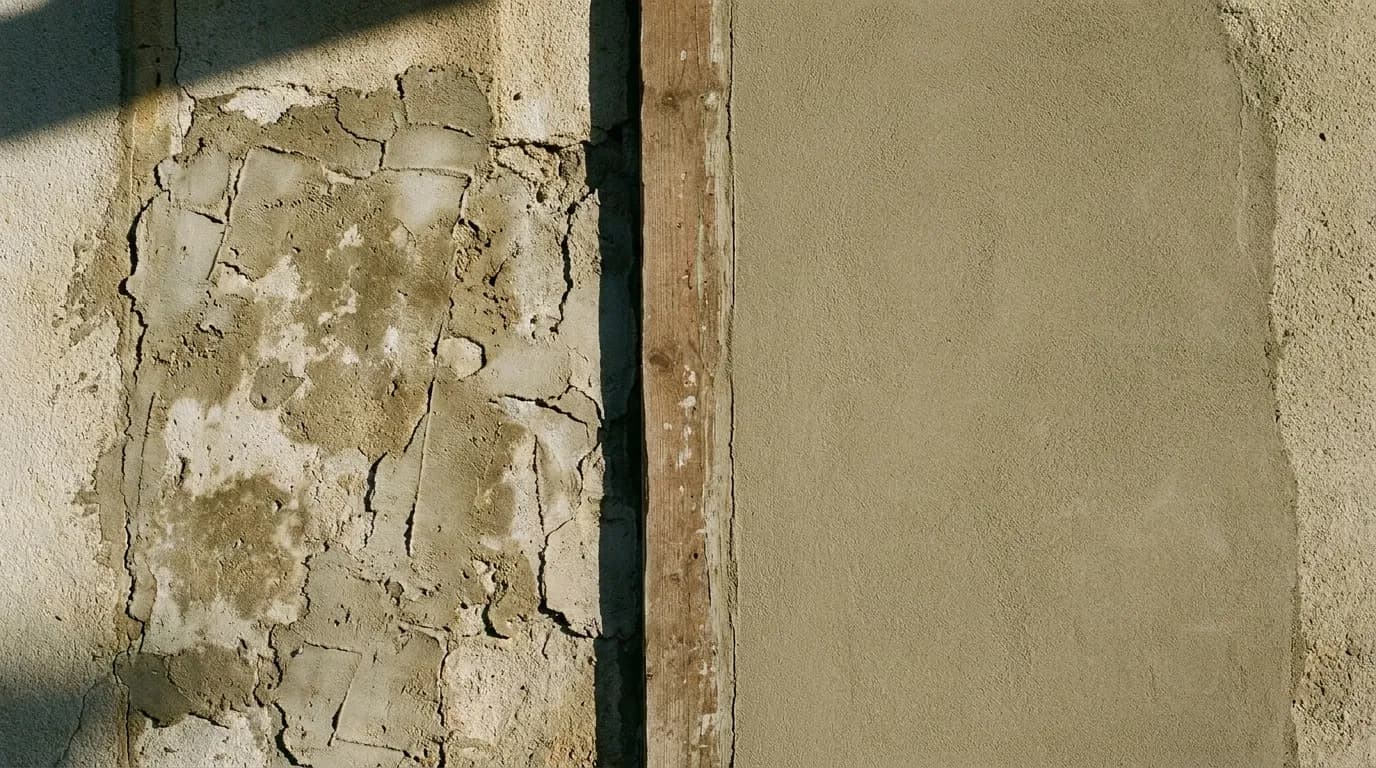
Why Cheap Repairs Usually Cost More Later
The gap between a cheap repair and a proper one is usually $2,000. The gap between a cheap repair and the remediation of that cheap repair is often $40,000.
How a Reliable Maintenance Team Makes Strata Management Easier
Managing eight trades across one portfolio is exhausting and expensive. What a single reliable maintenance contractor actually delivers - in time saved, costs avoided, and documentation you can use.