The Most Ignored Causes of Bathroom Water Damage
Failed silicone, cracked grout, loose taps - most bathroom water damage starts with something small and ignored. Know what to check and what you can spot yourself.
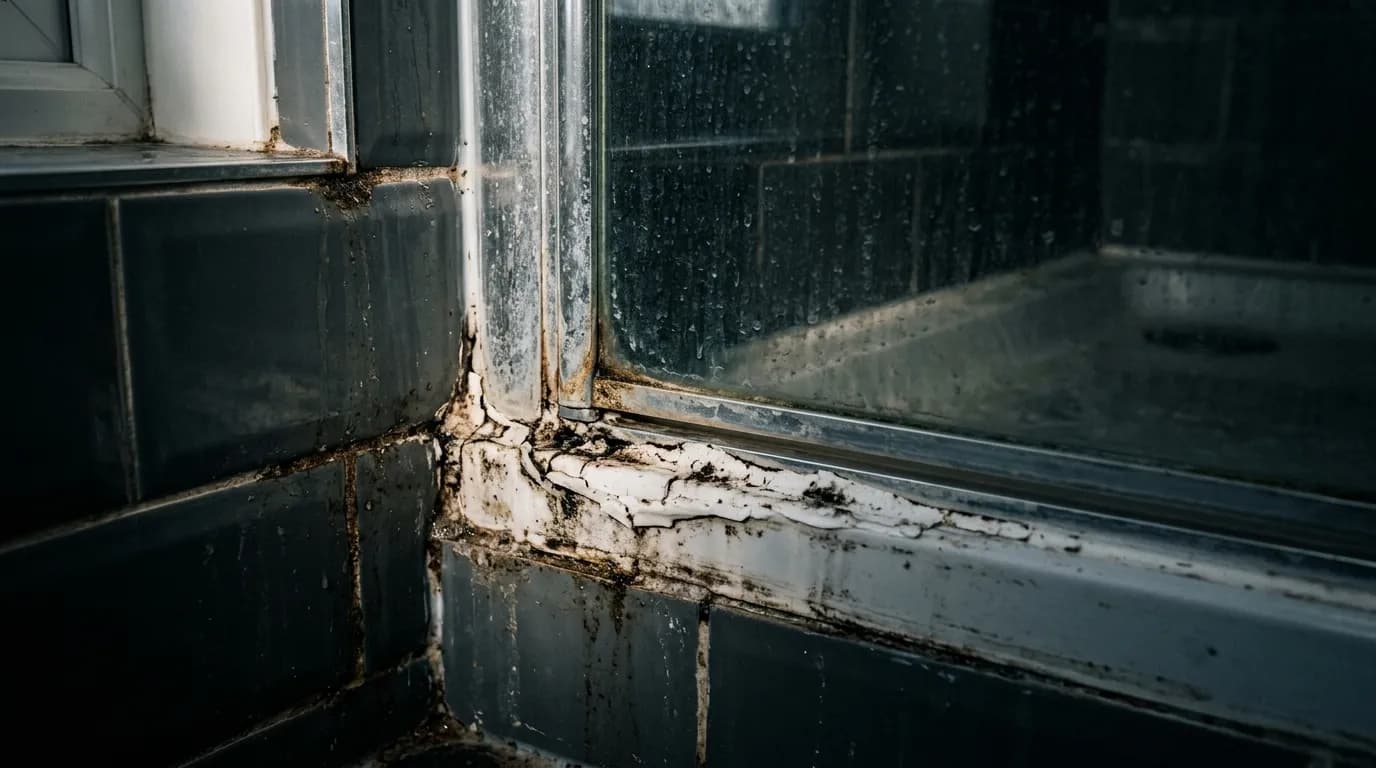
Bathroom water damage is almost never caused by a sudden dramatic event. It is caused by small failures that go unnoticed because they happen in places you cannot easily see, and because the early signs are easy to dismiss as minor. By the time the damage is visible, the problem has usually been developing for 12 to 36 months.
Here are the most common causes we find in Sydney homes, what each one looks like, and what you can check yourself versus what needs a professional.
1. Failed silicone (the most common cause)
This is the top cause of bathroom water damage in residential Sydney properties, and it is almost always preventable.
Silicone is the flexible sealant that fills movement joints in a bathroom - the corner where two tiled walls meet, the junction between the wall and the floor, the joint around the shower screen frame, and around the base of taps and shower roses.
These joints flex. The building moves slightly with temperature changes and moisture. Rigid grout in a movement joint will crack. Silicone is designed to flex with the movement and maintain a watertight seal.
When silicone ages (typically after 5 to 7 years, faster in heavy-use bathrooms), it cracks, hardens, and pulls away from the tile surface. The gap that forms is invisible when dry but becomes a water entry point with every shower.
What you can spot yourself: Run your fingernail along every silicone joint in your shower and bathroom. Silicone that is in good condition resists light pressure and does not flex away from the tile. Silicone that is failing will have visible gaps, crack under light pressure, or peel away from the surface. Black discolouration that goes through the full depth of the joint (not just on the surface) means mould has established inside the joint itself.
What to do: Remove and replace. This is a job that can be done DIY if the surface preparation is correct, or by a professional in 1 to 2 hours. Cost: $200 to $400. Related: Why Re-Grouting and Re-Sealing Can Save You Thousands.
2. Cracked or porous grout
Grout fills the joints between tiles. Over time, particularly in high-traffic bathrooms with frequent temperature changes, grout can develop fine cracks or become porous enough to let water through.
Unlike silicone failure, cracked grout does not always cause rapid water ingress - the rate depends on how much water sits against it and for how long. But persistent water through cracked grout will eventually soften the tile adhesive and, with enough time, allow water to reach the substrate behind the tiles.
What you can spot yourself: Grout that crumbles when pressed with a fingernail, grout with visible cracks, or grout that is consistently darker in wet areas than in dry areas (absorbed moisture). Also check grout at the floor level of the shower, where water sits longest.
What to do: Re-grout any sections that are failing, combined with a full reseal. A professional regrout and reseal typically costs $600 to $1,200 for a standard bathroom.
3. Failed waterproof membrane below tiles
Every bathroom built to Australian standards (AS 3740) has a waterproof membrane applied to the floor and lower walls before the tiles are laid. This membrane is the last line of defence against water moving into the floor structure.
Membranes can fail due to: incorrect original installation (insufficient thickness, missed laps, inadequately prepared substrate), the membrane coating cracking over time in high-movement areas, or mechanical damage during later tiling or renovation work.
A failed membrane is entirely invisible from inside the bathroom - the tiles cover it completely. You only know it has failed when the consequences show up: hollow-sounding tiles, lifting tiles, or staining on the ceiling below.
What you can spot yourself: The hollow tap test. Tap every tile in the shower floor and lower walls with your knuckle. A solid sound means good adhesion. A hollow, dull thud means the tile has debonded from the substrate - either the adhesive has failed due to water, or the substrate has swollen. Multiple hollow tiles in a cluster is a strong sign of membrane failure.
What to do: This requires a professional. A plumber or waterproofer can confirm membrane failure and assess the extent of damage. Repair involves partial or full tile removal to inspect and repair the membrane. See /services/tiling for full scope.
4. Loose taps with leaks behind the wall
A tap that has any movement at its base - even a small rock when turned - has a compromised seal between the tap body and the tile. Every use of the tap forces small amounts of water into this gap.
This is one of the slowest-building causes of bathroom water damage. A drip from a loose shower rose or bath tap into the wall cavity can continue for years before any visible sign appears. By that point, the damage inside the wall may be extensive.
What you can spot yourself: Grip each tap and rose fitting firmly and check for any movement at the base where it meets the tile. Check under the vanity for any moisture or staining on the wall behind the taps. If you can access the wall from an adjacent room or cupboard, feel the wall at the same height as the taps.
What to do: A plumber can resecure or replace tap fittings and assess whether any wall damage has occurred. This is not a DIY fix - work on water supply fittings requires a licensed plumber in NSW.
5. Missing or failed isolation joints
Where a bathroom floor meets a wall, or where two walls meet at an internal corner, there should be a flexible isolation joint (silicone) rather than rigid grout. These junctions are where the highest relative movement occurs in a bathroom structure.
In many older Sydney bathrooms - and in some newer ones where the tiler did not follow the specification - these corners are filled with grout instead of silicone. Rigid grout at a movement junction will crack, often within 1 to 2 years of installation, and those cracks become water entry points at precisely the most vulnerable locations.
What you can spot yourself: Check every internal corner in the shower and every junction between wall and floor. If the joint is grey-white and rigid to the touch rather than flexible, it is grout in a place that should be silicone. Visible cracks in corner joints confirm movement has occurred.
What to do: A professional can remove the grout from these corners and replace it with the correct flexible isolation joint. This is part of a standard regrout and reseal service.
6. Floor fall in the wrong direction
Water on a shower floor needs to travel to the drain. This requires the floor to be laid with a slight fall (slope) toward the waste - typically 1:100, meaning 10mm of fall per 1,000mm of run.
When a floor is laid flat, or when the fall has been set incorrectly toward a wall rather than the drain, water pools at the lowest point. In most cases, the lowest point ends up being a wall-floor junction - exactly where the most critical waterproofing joints are.
This is not something a homeowner would notice day-to-day. But if your shower floor has any pooling away from the drain, or if water consistently sits at a wall corner after showering, the fall is wrong.
What you can spot yourself: After a shower, watch where the water sits. It should drain entirely to the floor waste. Any pooling at the base of a wall, particularly in a corner, is a sign of incorrect fall.
What to do: Correcting floor fall requires lifting the floor tiles, adjusting the substrate level or adhesive bed, and relaying the tiles with the correct gradient. This is a full tiling job. While costly to fix, it eliminates one of the most persistent causes of silicone and joint failure in a bathroom.
The bottom line
Most bathroom water damage in Sydney homes starts as something small and fixable. Failed silicone costs $200 to replace. By the time that small failure has driven a full wall cavity rebuild, you are looking at $15,000 to $35,000. The pattern is consistent enough that we can predict it: the homeowners who maintain their bathrooms every 5 to 7 years never face the big bill.
If you want a professional to inspect your bathroom's current condition, contact Superb Maintenance Group. We respond within 6 hours and cover all Sydney suburbs.
For more, see Why Re-Grouting and Re-Sealing Can Save You Thousands and Signs Your Home Needs Waterproofing Repairs.
Frequently asked questions
How do I know if my shower is leaking into the floor?
What does failed waterproof membrane look like from inside a bathroom?
Can a loose tap really cause serious water damage?
What is an isolation joint and why does it matter?
My bathroom floor slopes slightly toward the wall instead of the drain. Is that a problem?
Continue reading
Why Re-Grouting and Re-Sealing Can Save You Thousands
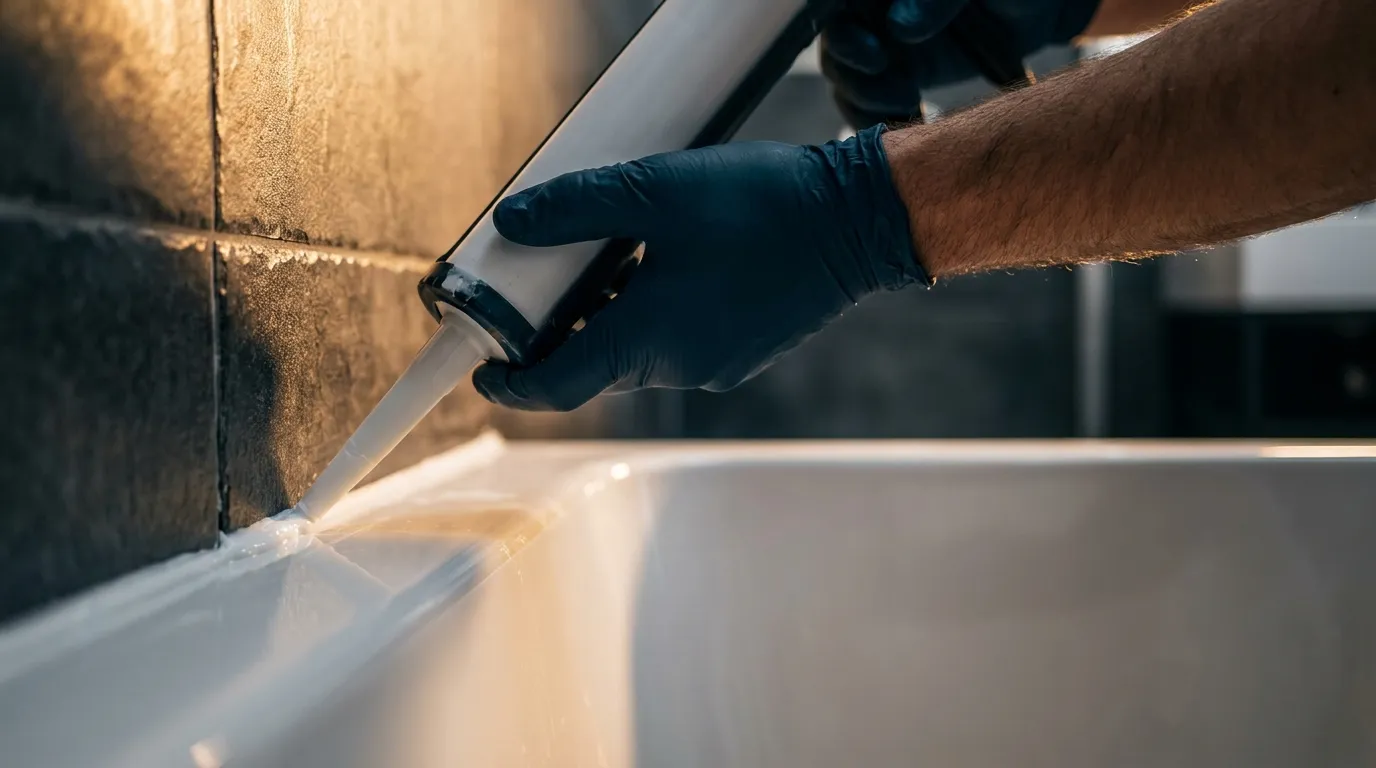
A bathroom reseal costs $600 to $1,200. Skip it for 3 years and you may be facing an $18,000 to $35,000 strip-and-rebuild. Here is why the cycle matters.
Signs Your Home Needs Waterproofing Repairs
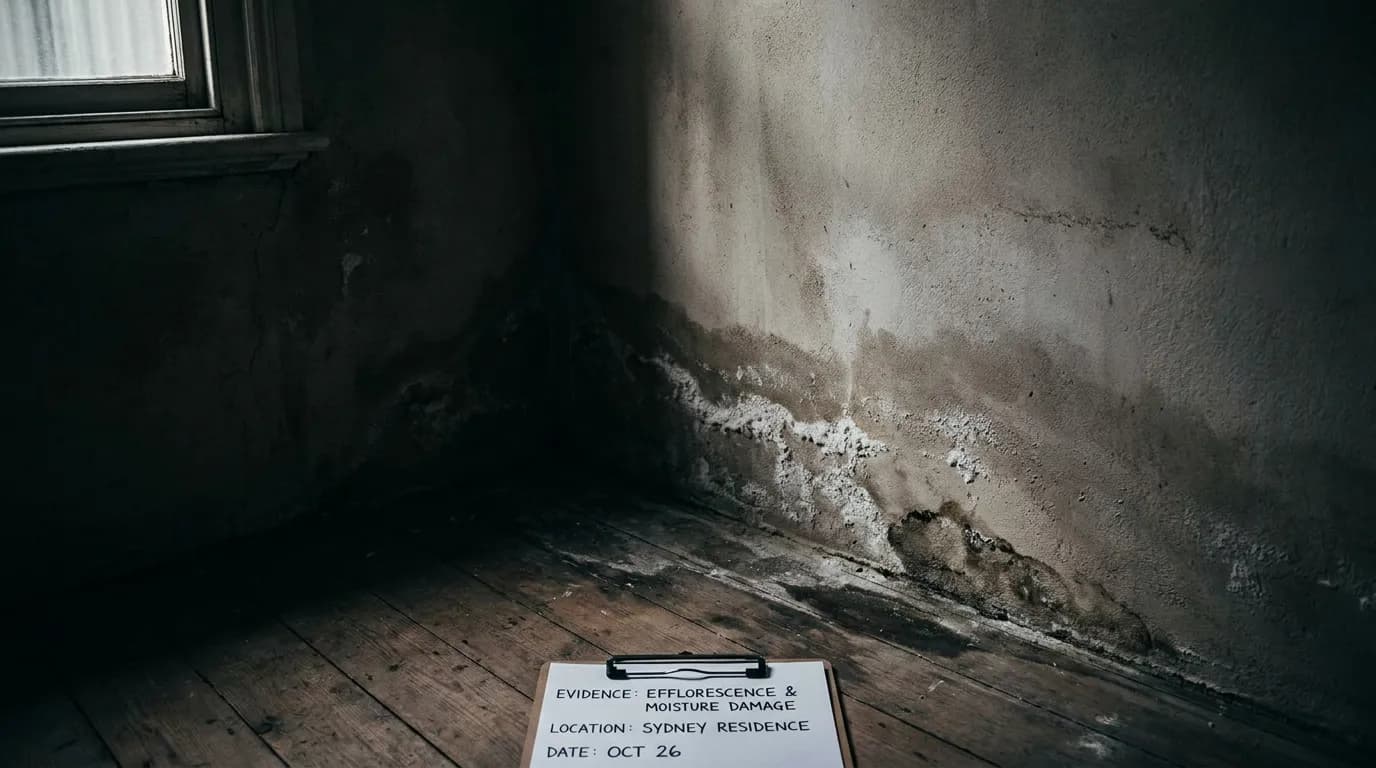
Efflorescence, rising damp, lifting tiles, peeling render - these visible signs tell you waterproofing has failed. Know what to look for and what to do.
7 Small Property Problems That Turn Into Expensive Repairs
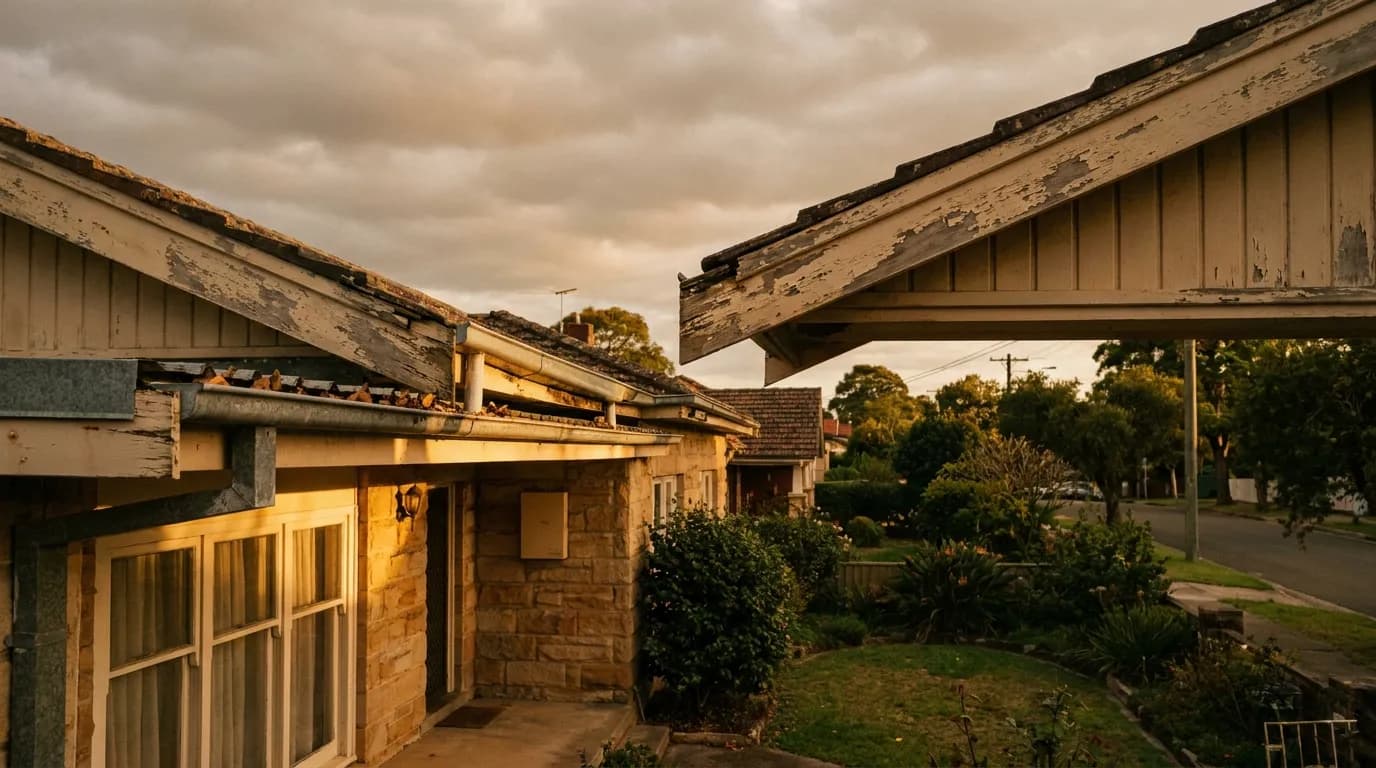
Hairline cracks, blocked gutters, lifting tiles - these 7 small issues cost hundreds to fix now and tens of thousands if you wait. Know what to look for.