Why Re-Grouting and Re-Sealing Can Save You Thousands
A bathroom reseal costs $600 to $1,200. Skip it for 3 years and you may be facing an $18,000 to $35,000 strip-and-rebuild. Here is why the cycle matters.
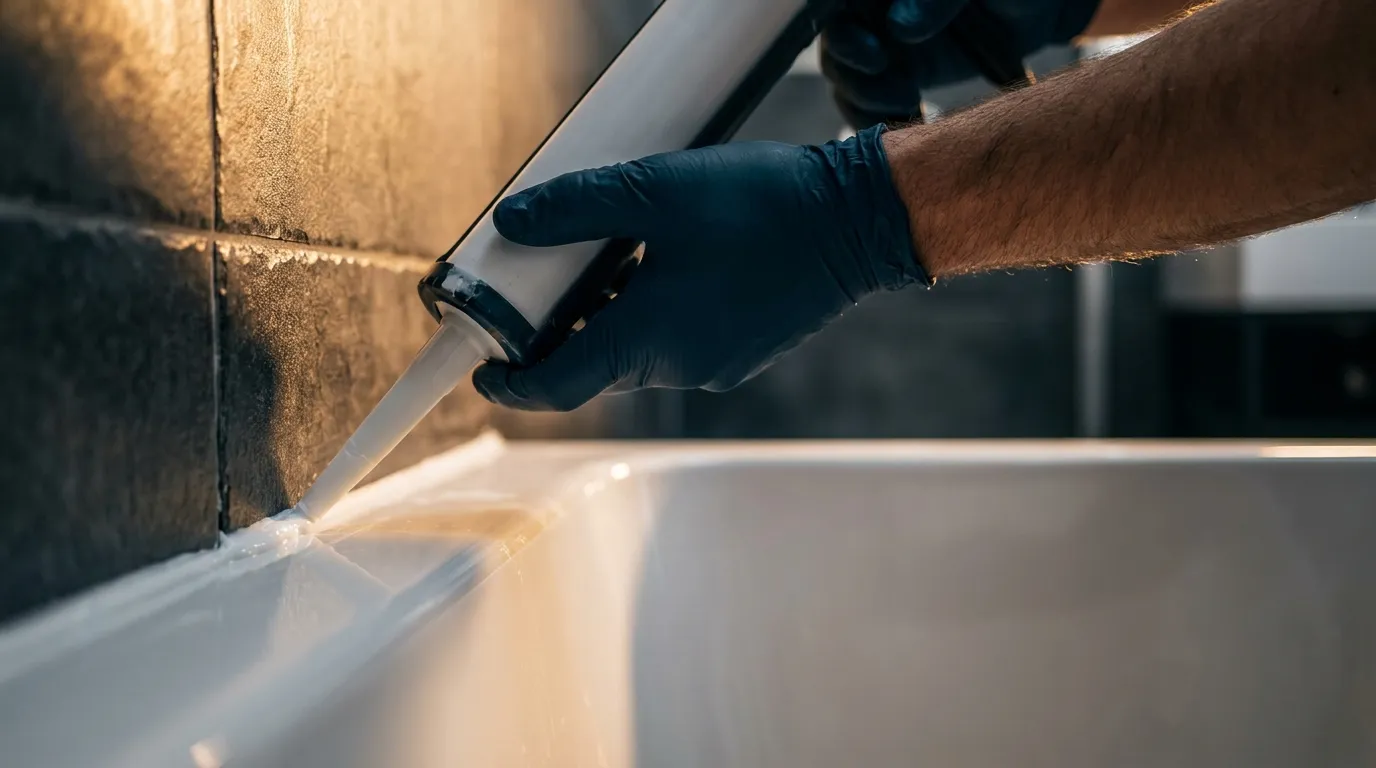
A $200 silicone reseal in a Sydney bathroom usually costs nothing more than 90 minutes of a professional's time. Left for three years, the same bathroom can become a $28,000 strip-and-rebuild because the water has already moved into the wall and floor framing. We see this sequence play out regularly, and it is almost always preventable.
Here is what happens inside a bathroom when maintenance gets skipped, and the numbers that make early action the obvious choice.
The 5 to 7 year maintenance cycle
Bathroom sealants and grout are not permanent. They are consumables that have a service life, and in Sydney's climate - with its humidity, temperature swings, and heavy summer rainfall - that service life is typically 5 to 7 years for a well-used bathroom.
The two components that matter most:
Silicone sealant fills the movement joints in a bathroom - the corner between two tiled walls, the junction between the wall and the floor, the joint around the shower screen frame. These joints need to flex slightly as the building moves with temperature changes and moisture. When silicone ages, it cracks, hardens, and pulls away from the surfaces it is meant to seal.
Grout fills the joints between tiles. It is rigid, and over time it can become porous, crack, or crumble. When grout fails, water can move through the joints and begin working on the adhesive holding the tiles and, eventually, the substrate behind them.
The 5 to 7 year cycle is not a rigid rule. A bathroom used by four people daily degrades faster than one used by one. Coastal properties with higher year-round humidity are harder on sealants. And if the original installation was not done well - rushed silicone with voids, grout joints that were too wide or too narrow - the failure comes sooner.
What actually happens when silicone fails
This is the progression we see in Sydney bathrooms where maintenance has been deferred:
Stage 1: Silicone begins to crack or separate (Year 3-5)
The silicone around the shower base corner or the wall-floor junction starts to pull away slightly. You might see a hairline gap. Water from showering starts to enter this gap and sit behind the silicone rather than running away cleanly.
Cost to fix at this stage: $200 to $400 for a professional reseal.
Stage 2: Grout becomes porous or begins to crack (Year 4-7)
Grout in the shower walls or floor starts showing signs of wear. It may look darker from trapped moisture, feel soft when pressed, or have visible fine cracks. Water is now moving through grout joints as well as the silicone gap.
Cost to fix at this stage: $600 to $1,200 for regrout and full reseal.
Stage 3: Tiles begin to debond from substrate (Year 5-8)
Water behind the tiles has softened the tile adhesive. Tiles start to sound hollow when tapped. Some may lift slightly at the edges. The substrate - the sheet material bonded to the wall framing - has begun to absorb moisture and swell.
Cost to fix at this stage: $4,000 to $12,000 for partial or full tile replacement, substrate repair, regrout and reseal.
Stage 4: Substrate and wall framing are damaged (Year 7-12)
The substrate has failed. In some cases, moisture has reached the timber wall framing behind it. Mould is present inside the wall cavity. Tiles may have fallen off in sections.
Cost to fix at this stage: $18,000 to $35,000 for a full strip-and-rebuild - every tile removed, all substrate replaced, wall framing inspected and repaired, new waterproof membrane, retile, regrout, reseal.
| Stage | Typical timeline | Typical cost |
|---|---|---|
| Reseal only (early action) | Year 3-5 | $200 - $400 |
| Regrout and reseal | Year 4-7 | $600 - $1,200 |
| Partial tile replacement + substrate repair | Year 5-8 | $4,000 - $12,000 |
| Full strip and rebuild | Year 7-12 | $18,000 - $35,000 |
How to check your bathroom's current status
You do not need a professional to do a preliminary assessment. Here is what to look for:
-
Run your finger along every silicone joint - at wall corners, wall-floor junctions, shower screen frame, around the tap bases. If it feels loose, crumbly, or there is a gap between the silicone and the tile, it needs attention.
-
Tap tiles with your knuckle across the floor and walls of the shower and bath area. A solid sound is good. A hollow, dull thud means the tile has debonded - water has been behind it.
-
Look at grout colour and texture - particularly in lower sections of shower walls where water sits longest. Grout that is darker than the rest, soft when pressed, or visibly cracked is failing.
-
Check for mould in grout joints - surface mould (on the grout surface) is common and treatable. Mould that is inside the grout, appearing as dark staining throughout the joint depth, suggests moisture is moving through the grout itself.
-
Look at the base of the wall outside the shower - if there is a skirting board or painted surface directly outside the wet area and it shows bubbling paint, discolouration, or soft spots, water has already moved outside the shower area.
What a professional reseal includes
A proper bathroom reseal done by a tradesperson is not just a tube of silicone applied over the old stuff. The process that makes a reseal last 5 to 7 years involves:
- Removing all existing silicone completely (cutting and scraping back to bare tile)
- Cleaning and degreasing the joint surface to remove soap residue, calcium, and moisture
- Allowing surfaces to dry thoroughly (sometimes requiring a drying period before sealing)
- Applying new silicone in a single clean bead with no voids
- Tooling the joint to push the silicone into the corners and remove air gaps
- Checking all access points to the bathroom plumbing while on site
A professional reseal on a standard Sydney bathroom takes 1.5 to 3 hours and costs $200 to $400 for silicone only, or $600 to $1,200 for a full regrout and reseal service through /services/tiling.
The bottom line
Re-grouting and resealing is one of the few maintenance tasks where the cost comparison is completely straightforward. Spending $600 to $1,200 every 5 to 7 years is the alternative to spending $18,000 to $35,000 once, on a strip-and-rebuild that also means losing bathroom access for 3 to 4 weeks. The maths has one clear answer.
If your bathroom is more than 5 years old and has not been resealed, it is worth a look this week. Contact Superb Maintenance Group and we will give you an honest assessment within 6 hours.
For related reading, see The Most Ignored Causes of Bathroom Water Damage and 7 Small Property Problems That Turn Into Expensive Repairs.
Frequently asked questions
How often should I reseal my shower?
What is the difference between grouting and sealing/silicone?
Can I regrout and reseal my shower myself?
How do I know if my grout has failed versus just looks dirty?
What does a full bathroom strip-and-rebuild actually involve and why does it cost so much?
Continue reading
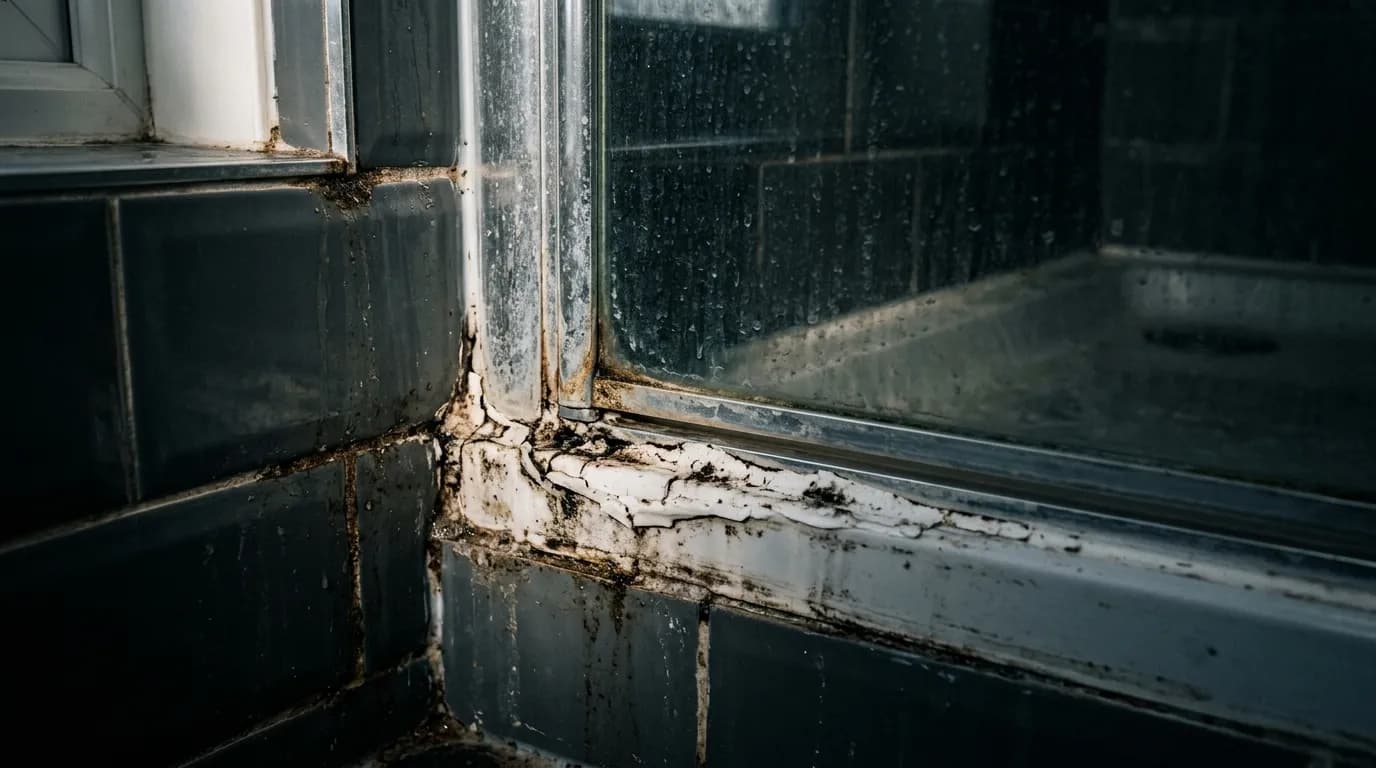
The Most Ignored Causes of Bathroom Water Damage
Failed silicone, cracked grout, loose taps - most bathroom water damage starts with something small and ignored. Know what to check and what you can spot yourself.
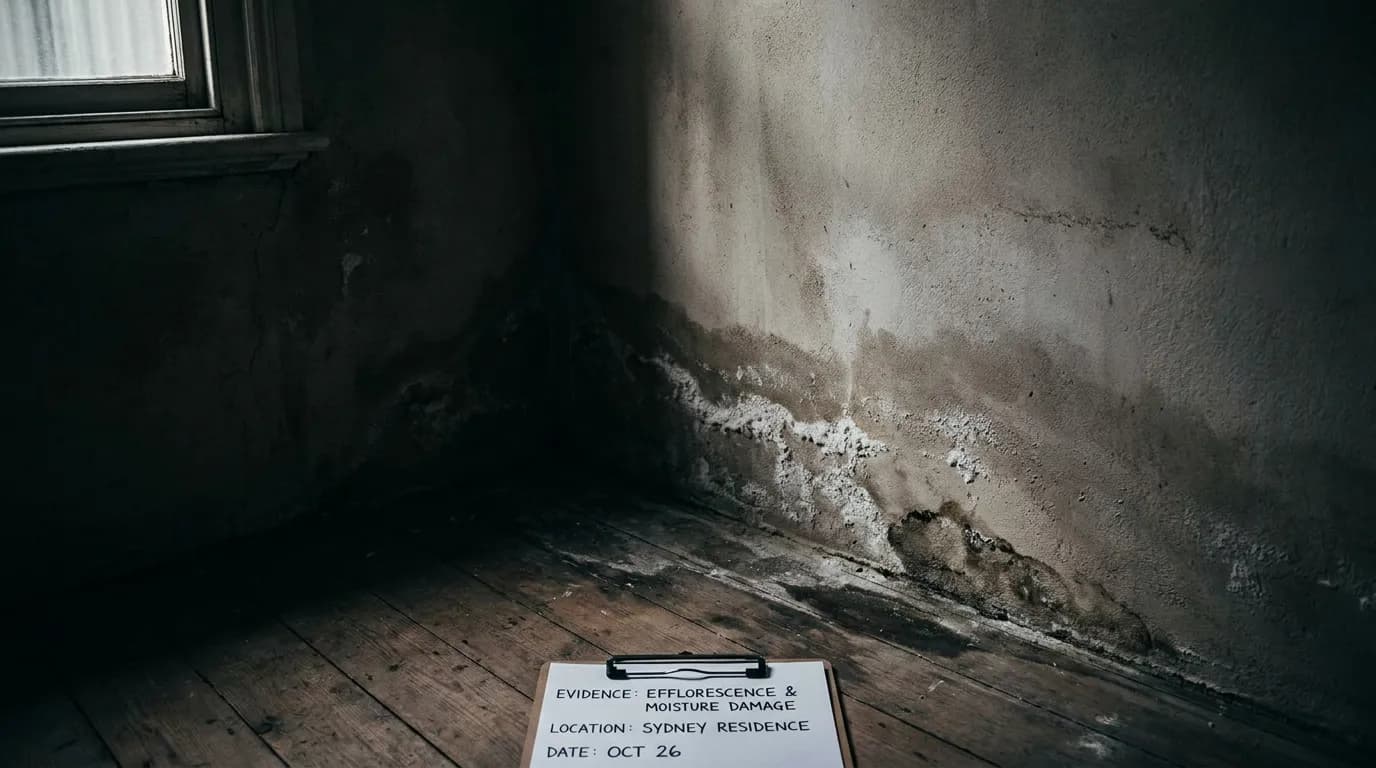
Signs Your Home Needs Waterproofing Repairs
Efflorescence, rising damp, lifting tiles, peeling render - these visible signs tell you waterproofing has failed. Know what to look for and what to do.
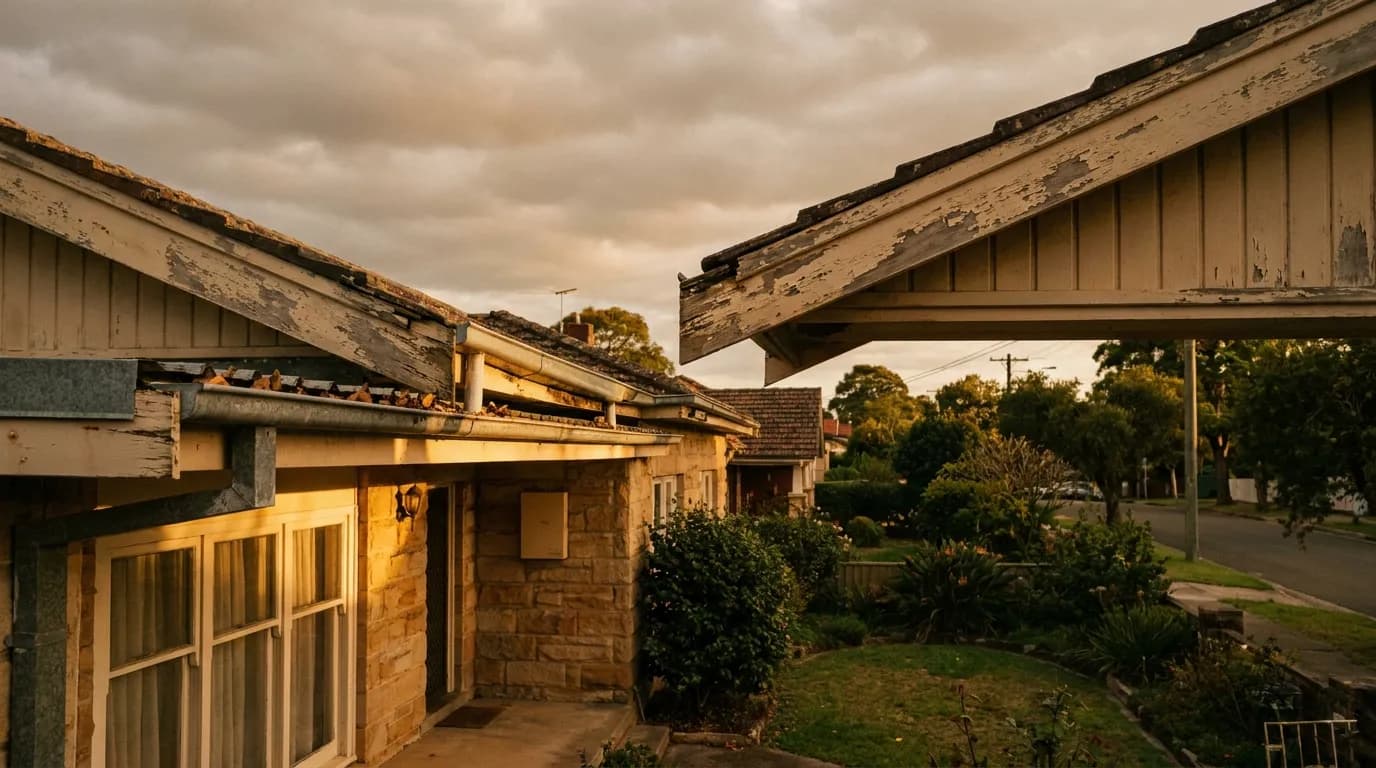
7 Small Property Problems That Turn Into Expensive Repairs
Hairline cracks, blocked gutters, lifting tiles - these 7 small issues cost hundreds to fix now and tens of thousands if you wait. Know what to look for.