How Preventative Maintenance Reduces Tenant Complaints
The callout cycle costs Sydney property managers hours every week. A structured inspection cadence can reduce reactive maintenance callouts by 40-60%. Here's how.
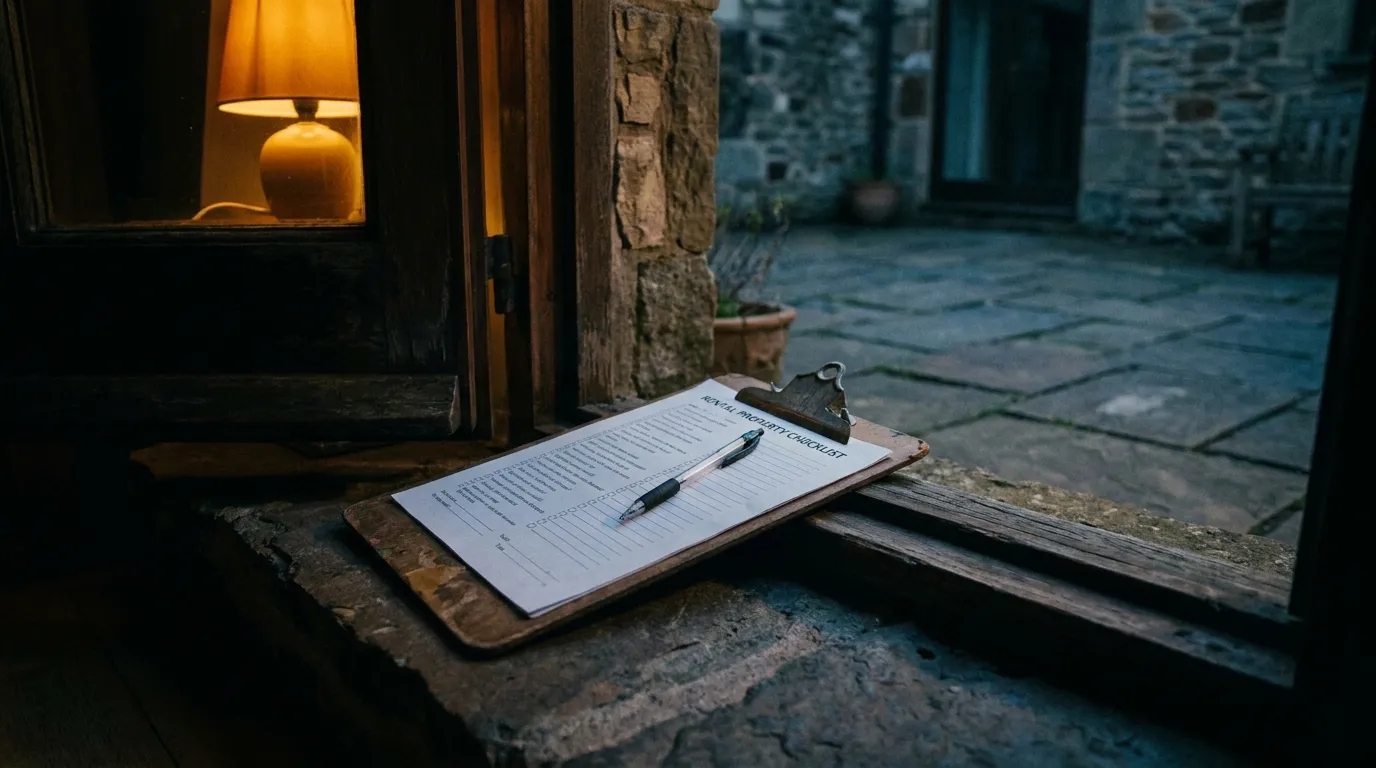
The average reactive maintenance callout is not the result of sudden failure. It is the result of a slow-developing problem that was visible weeks or months before the tenant noticed it, and months or years before it became an emergency. Property managers who understand this have the tools to interrupt the cycle. Those who do not are permanently in reactive mode, and the time cost is significant.
The complaint-to-callout cycle
Here is how most reactive maintenance events unfold in a Sydney rental property.
A bathroom has been used daily for 18 months since the last inspection. The silicone around the shower base has started to lift at one corner. The tenant notices it occasionally but assumes it is normal. Water has been getting under the floor tile edge for 6 months. The subfloor material - typically compressed sheet - begins to soften and compress. Eventually, the floor feels "spongy" underfoot. The tenant reports it.
By the time the property manager receives that report and books a contractor, the job is no longer a $200 silicone reseal. It is a partial floor tile relay and substrate repair. Depending on severity, it can reach $3,000 to $6,000. The tenant is inconvenienced for 3 to 5 days. Everyone is frustrated.
The failure point that would have cost $200 to fix was visible at inspection 12 months earlier.
This is the complaint-to-callout cycle in its most common form. It repeats across bathrooms, kitchens, balconies, gutters, and drainage systems throughout the Sydney rental stock.
What preventative maintenance actually catches
The most common problems identified by proactive inspections in Sydney residential properties:
Wet area silicone and grout failure This is the number one source of preventable reactive callouts. Silicone around showers, baths, and kitchen splashbacks has a functional life of 5 to 7 years under normal use. In Sydney's climate and with the water chemistry typical of NSW supply, that can be shorter. Discolouration does not always mean failure, but lifting, cracking, and gaps do. A $200 to $400 reseal at the right time prevents a $3,000 to $25,000 water damage event. See bathroom leaks, silicone and grout: the silent cause of bigger repairs for the full cost curve.
Drainage and gutter blockages Blocked gutters and slow-draining balconies are often invisible to tenants inside the property - until they cause water ingress. Semi-annual inspection of gutters, downpipes, and balcony drainage reduces the risk of water entry during heavy rain events, which Sydney sees regularly in winter and spring.
Window and door hardware Failed locks, stiff hinges, and broken flyscreen frames are low-cost to fix when identified early. Left until the tenant reports them, they become urgent because of security implications, and urgent jobs cost more.
Hot water system condition Most hot water systems give visible warning signs before failure: rust-coloured discharge, unusual noise, valves showing corrosion. A contractor who checks these on inspection can flag a system approaching end-of-life so the replacement can be planned and budgeted - rather than occurring as an emergency call-out on a Sunday night.
Smoke alarms NSW requires smoke alarms to be operational at the start of each tenancy and maintained throughout. A routine inspection should include a test of every alarm. Replacing a dead battery costs $5 and 2 minutes. Failing to catch a non-functional alarm creates legal exposure.
The inspection cadence that works
| Property age and condition | Recommended inspection frequency | Rationale |
|---|---|---|
| Under 5 years, good condition | Twice per year | Catch early-stage issues, maintain condition |
| 5-15 years, average condition | Twice per year + targeted follow-ups | Higher maintenance activity, more wear on finishes |
| 15+ years or known issues | Quarterly | Older systems, higher probability of failure across multiple items |
| Post-renovation or post-major-repair | 3 months after work completed | Verify work held up, catch any related issues |
NSW law permits up to 4 routine inspections per year with 7 days' written notice to the tenant. There is no legal barrier to a twice-yearly or quarterly cadence for older properties.
The numbers behind the reduction
Property managers who have implemented a structured twice-yearly inspection program with a maintenance-trades team report reactive callout reductions of 40 to 60% over the following 12 to 18 months. The reduction is not uniform across all job types - it is concentrated in the categories that predictive maintenance catches best:
- Bathroom wet area failures: 55-70% reduction in reactive callouts
- Minor plumbing issues: 40-50% reduction
- Weather-related water ingress: 30-45% reduction
- Security hardware failures: 50-60% reduction
The categories that remain relatively unaffected by preventative inspection are genuine accidents and sudden failures (appliances, certain plumbing events, impact damage). These are a minority of the reactive callout volume.
What this means for your week
If reactive maintenance is consuming 8 hours a week (see the 5 maintenance issues that waste property managers the most time), cutting the callout volume by 40 to 60% recovers 3 to 5 hours. That is time currently spent chasing contractors, updating tenants, explaining to landlords, and re-booking failed jobs.
The investment is the inspection itself. A twice-yearly maintenance inspection for a 2-bedroom Sydney apartment takes 30 to 60 minutes with an experienced trades team and produces a condition report and a list of recommended minor works. The works identified are typically small and inexpensive at this stage. The alternative is waiting for those works to become reactive callouts, at which point they are neither small nor inexpensive.
How to structure a preventative maintenance program
A practical preventative maintenance program for a Sydney property portfolio:
-
Categorise the portfolio by age and condition. Properties under 10 years in good condition get a twice-yearly cadence. Properties over 15 years or with a history of maintenance issues get quarterly.
-
Schedule inspections to align with seasons. Pre-winter (April-May) is the most valuable time to catch drainage, gutter, and waterproofing issues before Sydney's wet season. Pre-summer (October-November) is good for external areas, air conditioning, and shade structures.
-
Use the same contractor for inspections and works. If the inspecting contractor can also carry out the identified works, there is no additional booking lag. A maintenance team that carries multiple trades can inspect and repair in the same visit for minor items.
-
Produce a condition report for the landlord. This serves two purposes: it demonstrates proactive management, and it creates a documented baseline that helps with bond claims and insurance if needed.
-
Track the data. Log every reactive callout. After 12 months of preventative inspection, compare the callout frequency. The reduction should be visible and quantifiable.
For a customised general maintenance service across your Sydney portfolio, the team at Superb Maintenance Group structures inspections to integrate with routine maintenance. Contact us or call 0452 588 638.
The bottom line
Preventative maintenance is not a premium add-on. It is a cost-reduction strategy. The 40 to 60% reduction in reactive callouts that structured inspection programs produce translates directly into recovered time, lower per-job costs (catching problems early is always cheaper than fixing them late), and better tenant relationships. For a related look at what delayed repairs actually cost, see the real cost of delayed repairs in rental properties.
Frequently asked questions
How often should a rental property in Sydney be inspected?
What does a preventative maintenance inspection cover?
What is the complaint-to-callout cycle and how does it form?
Can preventative maintenance really reduce callouts by 40-60%?
Who should conduct preventative maintenance inspections?
Continue reading
5 Maintenance Issues That Waste Property Managers Time
Five recurring maintenance problems quietly eat 8+ hours a week for Sydney property managers. Here's what they are and how to fix each one.
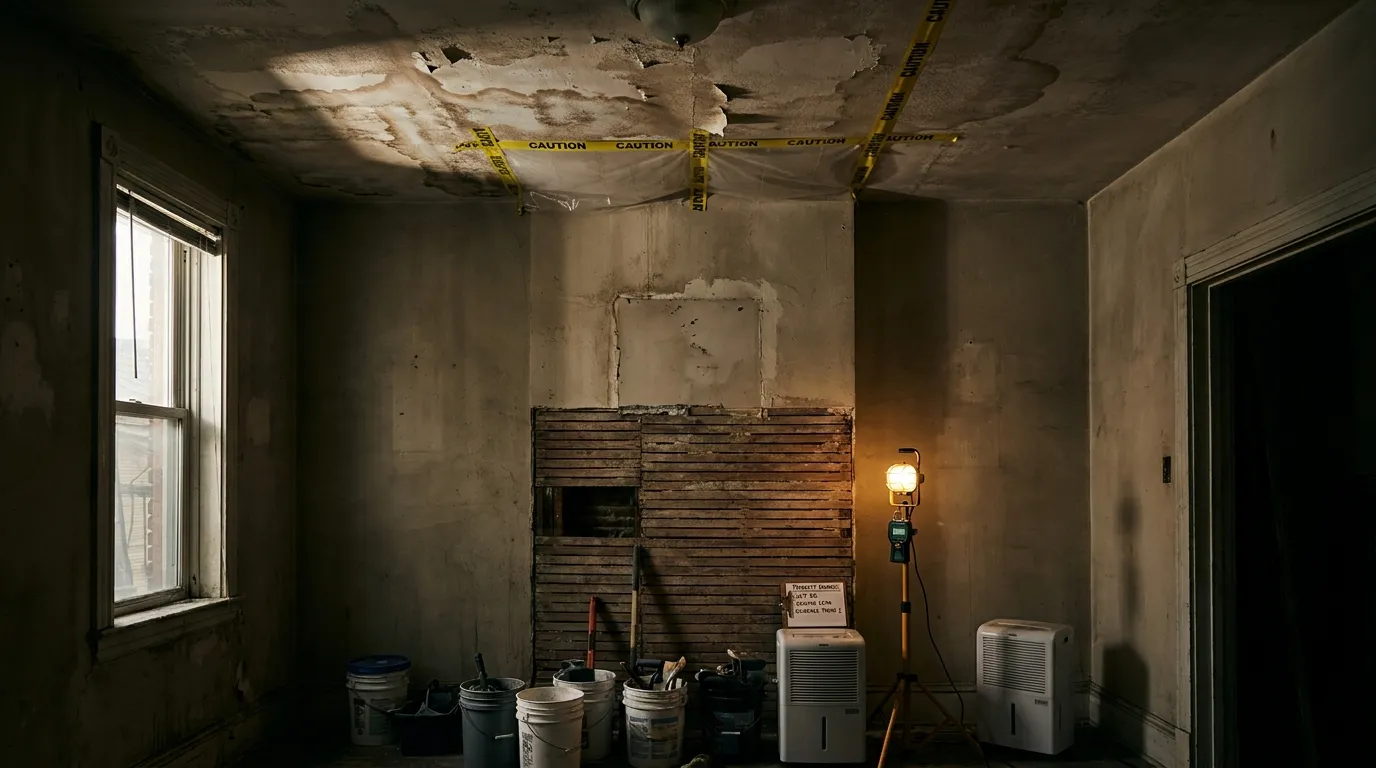
The Real Cost of Delayed Repairs in Rental Properties
Delaying a $400 repair in a Sydney rental can compound into a $15,000+ problem. Here's the financial, legal, and tenancy cost of letting repairs wait.

Bathroom Leaks, Silicone & Grout: The Silent Repair Risk
A $200 silicone job in a bathroom becomes a $25,000 ceiling repair in the unit below. Here's where leaks start, how fast they spread, and when to reseal.