Bathroom Leaks, Silicone & Grout: The Silent Repair Risk
A $200 silicone job in a bathroom becomes a $25,000 ceiling repair in the unit below. Here's where leaks start, how fast they spread, and when to reseal.

A $200 silicone reseal in a bathroom looks small until you are looking at a $25,000 ceiling restoration job in the apartment below. We have rectified that exact compounding three times in the last eighteen months across Sydney properties. In each case, the failing silicone was visible at the property's last routine inspection. In each case, it was not actioned.
The bathroom is the single most consequential space in a rental property from a maintenance risk perspective. It has the highest water exposure of any room, the most failure-prone material joins, and in multi-storey construction, a direct structural path to the property below. Understanding where failures start and how fast they spread is the most practical thing a property manager can know.
The three failure points
1. Shower base and walls
The shower is the highest-risk area in any bathroom. Daily water exposure, thermal cycling (hot shower water, then cooling), and the movement that occurs in a building as it settles and responds to temperature all work on the silicone joint where the shower base meets the wall, and where wall tiles meet each other at internal corners.
Silicone in these locations typically has a functional life of 5 to 7 years under normal use. Once it begins to fail - lifting at edges, cracking through the bead, developing gaps at the join - water enters the space behind the tiles. The substrate behind most tile installations is a compressed cement sheet or similar material. It is not waterproof. Once wet, it begins to soften and break down. Tiles start to de-bond from the substrate. The leak progresses to the floor, then downward through the slab.
At the shower floor, water that gets under tiles finds the waterproofing membrane (if present and intact) or the raw slab (if the membrane has aged or was not correctly installed). From there, it drips down into the ceiling space of the floor below.
The failure sequence from initial silicone gap to active drip into the unit below can take anywhere from 3 to 18 months depending on shower frequency and construction type. By the time the tenant below reports a wet ceiling patch, the damage above is typically substantial.
2. Vanity and sink junctions
The silicon joint between the vanity basin and the wall, and between the vanity unit and the floor, is lower-risk than the shower but still a common failure point - particularly in properties where vanity areas are cleaned with cleaning products that degrade silicone over time.
The failure mode here is usually under-sink: water from splash, condensation, or slow drip accumulates in the vanity cabinet space. The base of the cabinet begins to deteriorate. If there are plumbing connections below, the soft substrate can compromise fixings and cause more significant failures. In bathrooms directly above another property, this water has nowhere to go but down.
3. Toilet base
The silicone seal at the toilet base is often overlooked because it is visually minor. It seals the join between the toilet pedestal and the tile floor, preventing moisture from entering at this junction during cleaning or overflow events.
Failed toilet base silicone is not a high-volume leak risk, but in older properties with ceramic or natural stone tiles, it is a discolouration and subfloor deterioration risk. More importantly, it is simple and inexpensive to include in a routine bathroom service - there is no reason to leave it.
The cost curve in practice
The compounding nature of bathroom water damage is worth understanding in detail, because the gap between "act now" and "act in 6 months" is not $400. It can be $40,000.
| Failure stage | Visible signs | Repair scope | Estimated cost |
|---|---|---|---|
| Silicone gap (active, no penetration yet) | Lifting or cracking silicone bead | Silicone strip and reseal | $150-400 |
| Early substrate penetration | Slightly soft floor feel near shower | Silicone + substrate repair + retiling (partial) | $1,500-4,000 |
| Substrate failure | Loose tiles, floor deflection, soft spot | Tile removal, substrate replacement, retile | $4,000-8,000 |
| Structural element involvement | Drip or staining at ceiling below | Above scope + ceiling repair below | $8,000-20,000 |
| Full ceiling damage below | Wet patches, plaster failure, mould | Full bathroom strip and rebuild above + ceiling restoration below | $20,000-50,000+ |
We have worked on all five stages of this failure curve on Sydney apartment properties. The $200 to $400 intervention at stage one is the only point in this sequence where the cost is genuinely small.
The regrouting question
Grout is the material filling the joints between tiles. Unlike silicone, grout is cement-based and is not flexible. It is designed to resist moisture but is not fully waterproof. Over time, it degrades: the surface sealer breaks down, the grout itself begins to erode, and in high-movement areas (shower floors, around the bath), it cracks.
Grout cleaning and resealing (applying a penetrating sealer to intact grout) costs $150 to $400 for a standard bathroom and extends the life of existing grout by several years. This works only when the grout is structurally intact - no cracks, no missing sections, no significant erosion.
Regrouting (mechanical removal of old grout and replacement) costs $400 to $900 for a standard bathroom and is necessary when grout lines have failed structurally. Cracked or missing grout in a shower or bath area is not cosmetic - it is a water ingress pathway.
The decision between the two is an on-site assessment, not a phone call. A trades-experienced inspection can identify in minutes whether the existing grout is sealing correctly or needs replacement.
The 5 to 7 year reseal cycle
A practical maintenance cycle for bathroom wet areas in Sydney rental properties:
- Annual: Visual check at routine inspection. Look for lifting, cracks, dark patches under surface, soft floor feel.
- Every 3 to 4 years: Grout clean and reseal. Replace any silicone beads showing early-stage degradation.
- Every 5 to 7 years: Full silicone replacement throughout the bathroom. Grout condition assessed; regrout if needed.
- Immediately: Any visible gap, lifting, or crack in silicone. Any cracked or missing grout. Any soft spot in the floor.
For a recently tenanted property where you do not know when silicone was last replaced, the simplest approach is to have the bathroom assessed as part of the next routine inspection. The cost of the assessment is negligible. The cost of not assessing is potentially considerable.
Our tiling service covers regrouting, silicone replacement, and full wet area assessments. See also the Stanmore renovation project for an example of bathroom rectification we have completed in Sydney.
What property managers should log
For properties with bathrooms over 5 years since last maintenance, property managers should document:
- Date of last silicone replacement (from previous inspection records or building history)
- Current condition of silicone (intact, minor deterioration, visible failure)
- Grout condition (clean and sealed, surface staining only, cracking or missing)
- Any soft spots or unusual flex in the floor
- Any drip reports from the unit below (in multi-storey buildings)
This documentation protects the property manager, helps with insurance claims, and creates the maintenance history that is valuable at end-of-lease and at sale.
For a broader look at how this fits into the overall case for preventative maintenance, see how preventative maintenance reduces tenant complaints. For the cost of letting these issues develop, see the real cost of delayed repairs in rental properties.
The bottom line
Bathroom silicone and grout are the smallest-cost items with the largest failure consequences in residential property maintenance. A $200 to $400 intervention at the right time eliminates a repair curve that can reach $50,000+ in a multi-storey apartment building. The inspection to identify the need takes 10 minutes. The job takes a day. The risk of not doing it compounds every week.
For a bathroom assessment or reseal quote on your Sydney portfolio, contact Superb Maintenance Group or call 0452 588 638.
Frequently asked questions
How often should bathroom silicone be replaced in a rental property?
What does a bathroom silicone and grout service cost in Sydney?
How do you know if bathroom silicone has failed?
What is the difference between grout cleaning and regrouting?
Can a tenant claim compensation for water damage from a failed silicone seal?
Continue reading
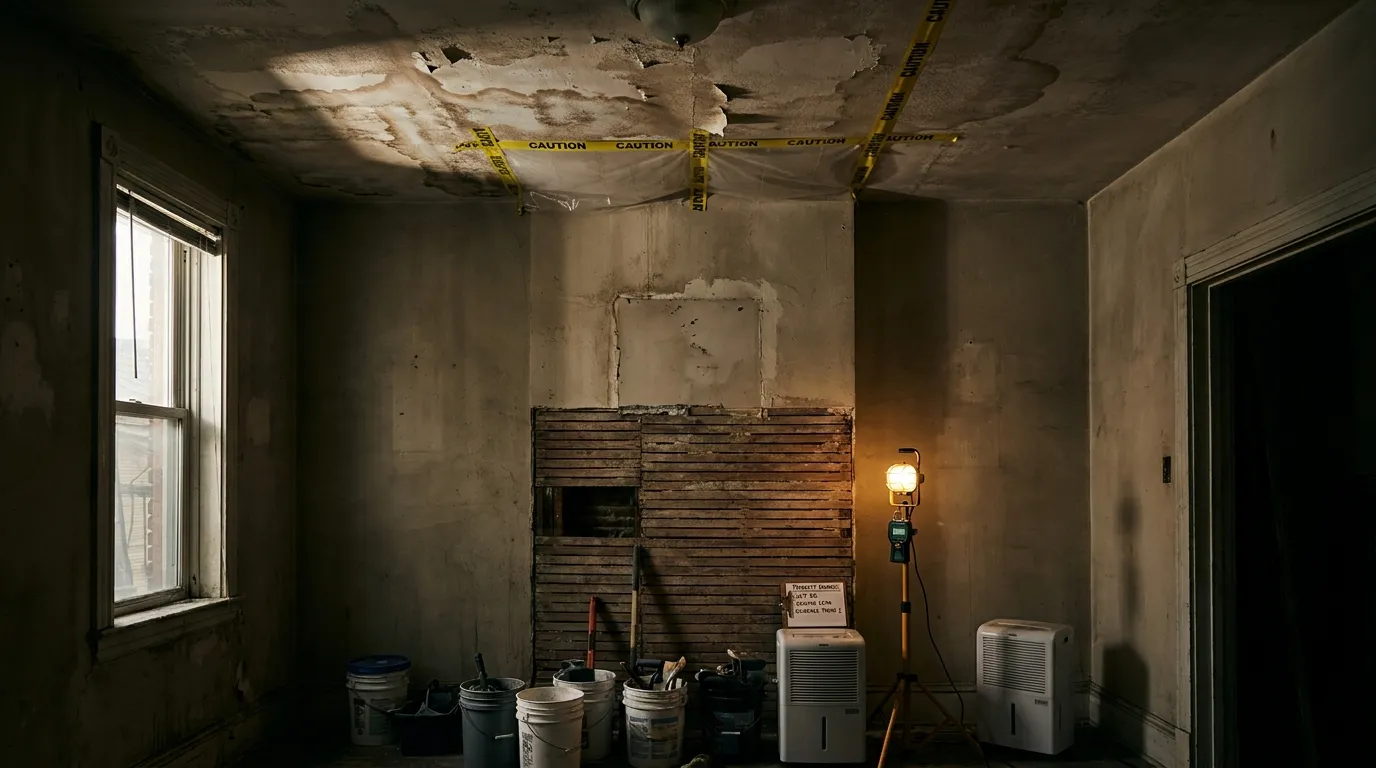
The Real Cost of Delayed Repairs in Rental Properties
Delaying a $400 repair in a Sydney rental can compound into a $15,000+ problem. Here's the financial, legal, and tenancy cost of letting repairs wait.
How Preventative Maintenance Reduces Tenant Complaints
The callout cycle costs Sydney property managers hours every week. A structured inspection cadence can reduce reactive maintenance callouts by 40-60%. Here's how.
End of Lease Repairs: What to Fix Before Listing
A practical guide to end-of-lease repairs for Sydney property managers: what's the tenant's responsibility, what's the landlord's, and what to fix before relisting.