How Preventative Maintenance Saves Strata Committees Thousands
The maths of prevention vs reaction in strata buildings. Real numbers, real examples, and how to budget preventative maintenance through your capital works fund.
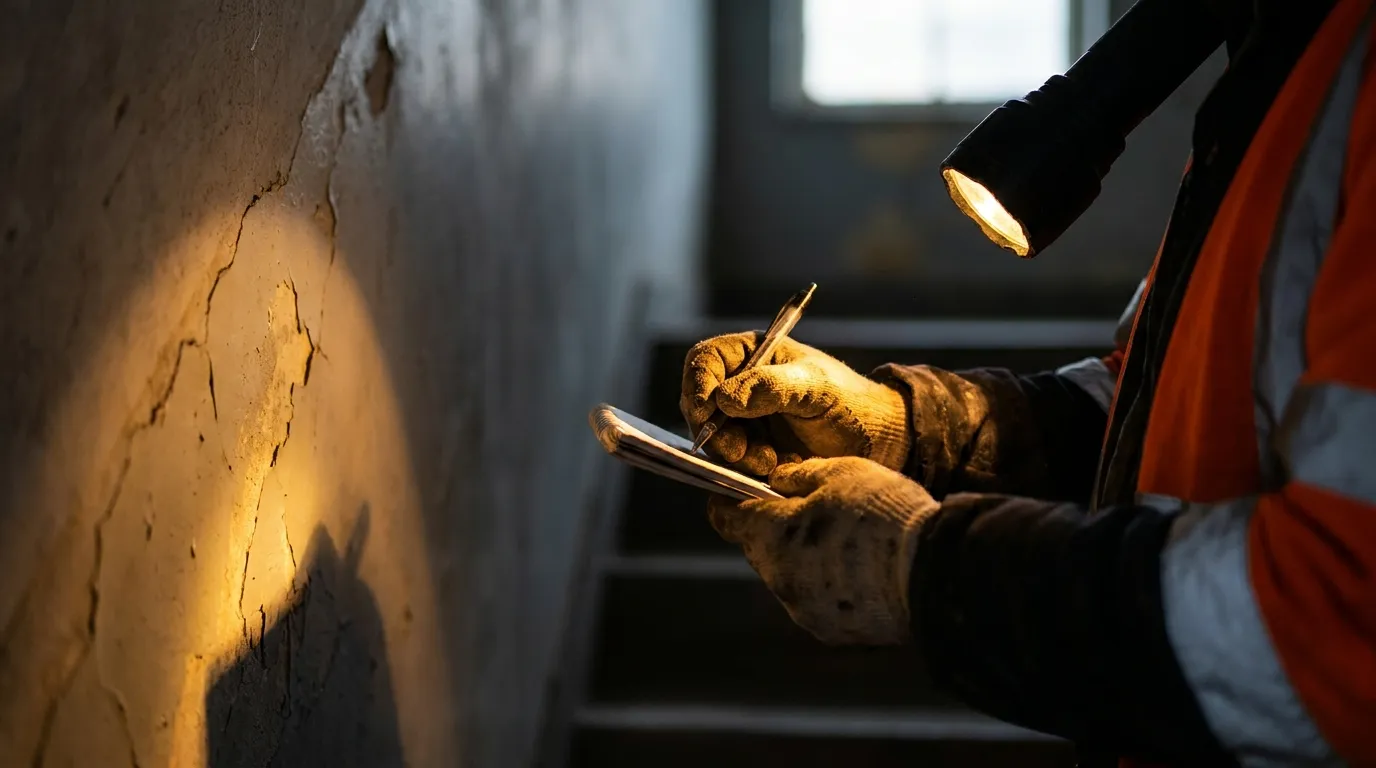
A quarterly building inspection costs around $1,200. A balcony that fails because no one noticed the membrane was cracking costs $45,000 to $80,000 to rebuild - plus potential damage to the lot below, an insurance claim, resident disruption, and a special levy no one wanted. That is roughly a 1:50 return on the cost of catching it early. This is not a hypothetical. It is a calculation we have watched play out in strata buildings across Sydney more times than we can count.
Why Preventative Maintenance Keeps Getting Deferred
Strata committees are not negligent. They are busy volunteers managing competing levy priorities, resident pressure to keep costs down, and a natural reluctance to spend money on things that are not visibly broken.
The problem is that the things most likely to cost you the most are invisible until they are very expensive. Waterproofing membranes fail under tiles. Concrete corrodes behind render. Sealant joints fail behind downpipes. By the time these become visible, the damage is done.
The maths of prevention vs reaction is not close:
| Scenario | Prevention Cost | Reaction Cost | Ratio |
|---|---|---|---|
| Balcony membrane renewal | $4,000 - $8,000 | $30,000 - $80,000 | 1:8 to 1:15 |
| Render crack sealing | $800 - $2,000 | $20,000 - $100,000 | 1:20+ |
| Planter box membrane inspection | $500 - $1,500 | $40,000 - $120,000 | 1:40+ |
| Gutter and downpipe clearing | $300 - $600 | $5,000 - $20,000 | 1:15+ |
| Expansion joint re-sealing | $1,000 - $3,000 | $15,000 - $60,000 | 1:15+ |
| Roof membrane maintenance | $2,000 - $6,000 | $30,000 - $120,000 | 1:15+ |
These ratios come from our project history. The numbers shift building to building, but the direction never does.
The Real Cost of a "Let's Wait and See" Decision
Here is a real scenario we deal with regularly. A strata manager flags a crack appearing on a balcony soffit. The committee looks at it, decides it is cosmetic, and defers action. Twelve months later, the crack has widened. Water has been tracking through the balcony slab above.
By the time the repair is authorised:
- The balcony tile bed above needs to be fully demolished
- The waterproofing membrane needs to be stripped and replaced
- The slab has surface spalling that requires concrete repair
- The soffit needs re-rendering and repainting
- The lot owner below has water damage in their ceiling - a separate insurance claim
Original defect: a $4,500 membrane re-seal. Final bill: $52,000 across multiple line items. See our Pyrmont remedial facade project for an example of how a full-building water ingress issue plays out when it reaches that scale.
How to Structure Preventative Maintenance in Your Budget
Separate it from reactive maintenance
Most strata budgets lump all maintenance together. This makes it easy for preventative line items to get cut when the budget is tight. Separate them:
- Reactive maintenance (budget for the unexpected): 40% of maintenance budget
- Planned preventative maintenance (scheduled, recurring): 60% of maintenance budget
Use the capital works fund correctly
The capital works fund is not just for emergencies and replacements. It is the right vehicle for:
- Periodic membrane inspections and condition assessments
- Scheduled sealant and expansion joint renewals
- Planned facade condition surveys
- Proactive balcony inspections before they become defects
NSW strata legislation requires owners corporations to maintain the capital works fund at a level sufficient to meet anticipated major expenses. A 10-year capital works plan is the tool that makes this work.
Build an inspection cadence into the budget
A reasonable inspection schedule for a mid-sized Sydney strata building (50 to 100 lots):
| Inspection Type | Frequency | Approximate Cost |
|---|---|---|
| General common property walk | Quarterly | $400 - $800 |
| Balcony and facade condition assessment | Annually | $1,500 - $3,500 |
| Roof and drainage inspection | Annually | $800 - $1,500 |
| Waterproofing condition check (balconies, planters, lift pit) | Every 2 years | $2,000 - $4,000 |
| Full building defect report | Every 5 years | $4,000 - $12,000 |
That full schedule costs roughly $8,000 to $15,000 per year for a mid-sized building - or $80 to $150 per lot. Against the cost of one missed defect turning into a major remediation, it is not a hard case to make.
Presenting the Case to Your Committee
The most effective way to get a committee to approve a preventative maintenance budget is to show the cost of the last reactive job they authorised. Ask: what would early detection have cost? What did waiting cost?
Then frame it this way: "We are not asking to spend more money. We are asking to spend the same money earlier, when it goes ten times further."
For a framework on how to present this, see How to Reduce Resident Complaints Through Better Maintenance Systems.
You can also reference the 2026 Sydney Building Remedial Cost Index as an independent source of cost benchmarks to support your submission to the committee.
The Bottom Line
Prevention is not a premium service. It is the baseline that keeps strata levies stable and buildings out of emergency mode. Every dollar spent on routine inspection and early rectification returns between five and fifteen dollars in avoided repair costs. The question is not whether your building can afford preventative maintenance - it is whether it can afford not to have it. For a general maintenance schedule tailored to your building, contact us for a no-obligation assessment.
Frequently asked questions
How much should strata budget for preventative maintenance each year?
What is the difference between the administrative fund and the capital works fund?
Can strata committees do their own maintenance inspections?
How do I convince a strata committee to invest in preventative maintenance?
Does preventative maintenance affect strata insurance premiums?
Continue reading
The Most Common Strata Maintenance Issues We See in Sydney
Eight problems show up on almost every Sydney strata building we walk into. Here's what causes them, what they cost to ignore, and what early action looks like.
The Hidden Cost of Delaying Minor Repairs in Apartment Buildings
Minor repairs in strata buildings compound silently. Real cost examples by defect type - and why the levy-raise conversation is always harder than early action.

How to Reduce Resident Complaints Through Better Maintenance
A practical system for strata managers to cut resident complaints by building an inspection cadence, response time KPIs, and a maintenance register that actually works.