The Hidden Cost of Delaying Minor Repairs in Apartment Buildings
Minor repairs in strata buildings compound silently. Real cost examples by defect type - and why the levy-raise conversation is always harder than early action.
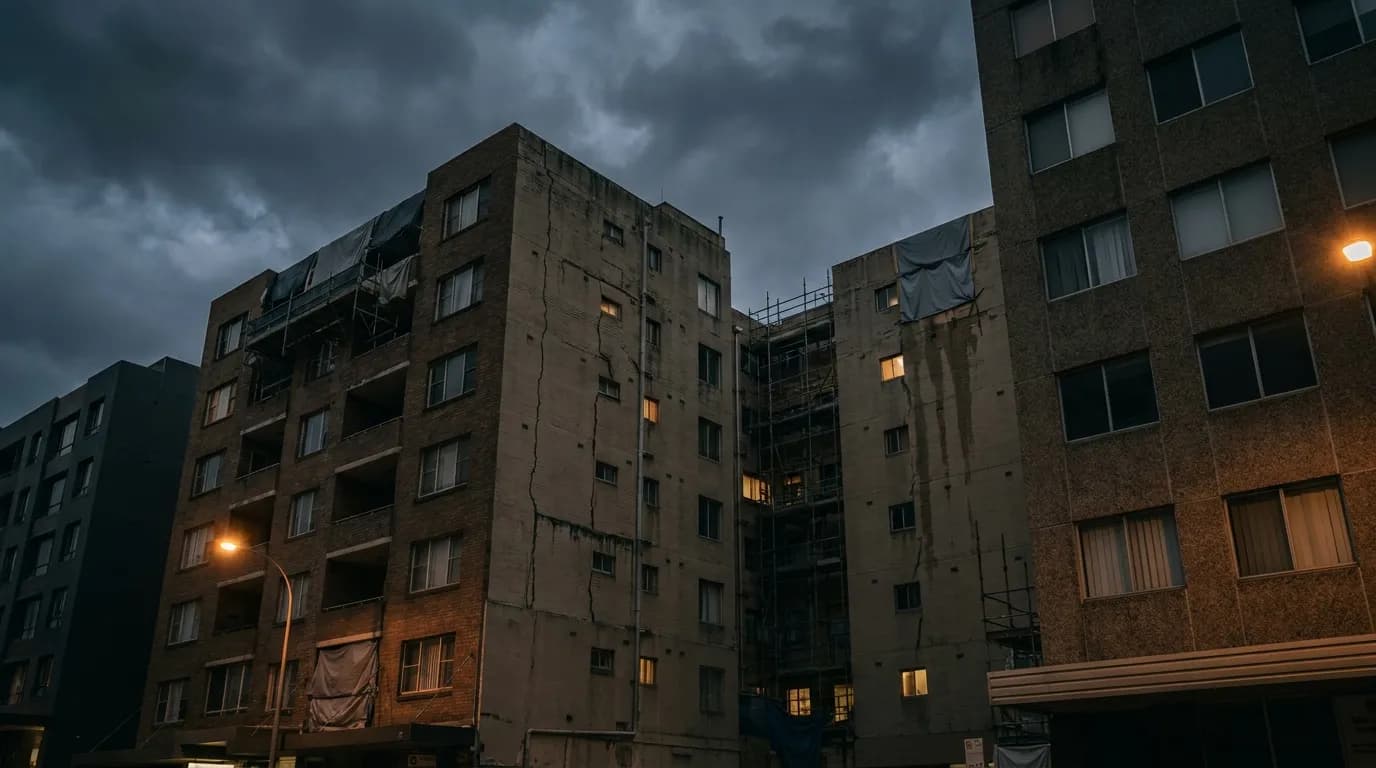
The most expensive decision a strata committee makes is often not the decision to spend - it is the decision to wait. A $900 sealant renewal becomes a $14,000 wall cavity repair. A $1,500 drainage clear becomes a $25,000 slab repair. These are not worst-case scenarios. They are the routine outcomes of deferring small repairs in buildings where water has a pathway and time to do its work.
How the Compounding Clock Works
Building defects do not sit still while you wait for the next committee meeting. They respond to weather, load, and time. The compounding works in several distinct ways:
Active damage: Water ingress, concrete corrosion, and expanding cracks are doing damage every day they are unaddressed. Each wet season a leaking balcony is left, more water saturates the slab, more rebar corrodes, more concrete delamination develops. The repair scope grows with every rain event.
Secondary damage: The primary defect triggers damage in adjacent elements. A failed balcony membrane creates a ceiling repair in the lot below. A blocked gutter creates a fascia repair and a render repair at the base of the downpipe. The original repair scope is now two or three repair scopes.
Access cost escalation: Some repairs are cheap partly because they can be done from a ladder or a scissor lift. Leave them long enough and the structural condition requires scaffolding. Scaffolding on a mid-rise building adds $8,000 to $25,000 to any repair job before the actual work begins.
Insurance ineligibility: Gradual deterioration is not covered by building insurance. By the time a deferred defect is severe enough that the committee wants to claim it, the insurer has a reasonable argument that the damage was predictable and preventable.
Compounding Examples by Defect Type
Sealant and Joint Failure
| Timeline | Scope | Cost Range |
|---|---|---|
| Year 1: Sealant cracking, minor separation | Re-seal affected joints | $600 - $1,500 |
| Year 2-3: Water ingress into wall cavity | Sealant + dry out + localised render repair | $3,000 - $8,000 |
| Year 4-5: Render cracking, potential lintel corrosion | Full panel investigation, render, sealant, possible lintel treatment | $10,000 - $40,000 |
Sealant is one of the cheapest materials on a building. Renewing it costs almost nothing relative to what failing sealant destroys. See our Curtain Wall Sealant Replacement guide for more.
Water Ingress (general)
| Timeline | Scope | Cost Range |
|---|---|---|
| Month 1-6: Efflorescence, minor staining | Source investigation, sealant repair | $800 - $2,500 |
| Month 6-18: Active drip, plasterboard softening | Waterproofing repair + plasterboard repair | $3,500 - $12,000 |
| 18 months to 3 years: Mould, ceiling damage, possible electrical | Full scope remediation, potentially multi-lot | $15,000 - $80,000+ |
Concrete Spalling (Early Stage)
| Timeline | Scope | Cost Range |
|---|---|---|
| Year 1: Small area of spalling, rebar not yet exposed | Concrete repair, localised | $1,200 - $3,500 |
| Year 2-3: Rebar exposed, beginning to corrode | Concrete cancer repair: break out, treat, rebuild | $4,000 - $15,000 |
| Year 3-5: Multiple spalling zones, structural concern | Major concrete cancer remediation | $20,000 - $100,000+ |
Our Wardell concrete cancer project is an example of what a building looks like when spalling is caught at an intermediate stage. Earlier action would have been considerably less costly.
Expansion Joint Failure
| Timeline | Scope | Cost Range |
|---|---|---|
| Year 1-2: Joint filler deteriorating | Joint replacement, standard | $1,500 - $4,000 |
| Year 3-4: Water ingress through failed joint | Joint replacement + concrete repair | $6,000 - $18,000 |
| Year 5+: Movement damage, potential slab cracking | Structural investigation + major repair | $20,000 - $80,000 |
The Levy Raise Conversation vs the Early Action Conversation
There is a behavioural pattern in strata committees worth naming directly. Committees often resist spending on minor preventative repairs because it feels like unnecessary spending. Then, two or three years later, they face a special levy for a major rectification that costs ten times as much.
The special levy conversation is always harder than the early action conversation:
- Residents feel blindsided
- The building's financial reputation takes a hit
- Some owners in financial difficulty cannot pay, creating disputes
- The disruption to residents from major works is significant
- The timeline from decision to completion is months longer
A committee that spends $8,000 per year on preventative maintenance avoids the $80,000 special levy. The maths is not subtle.
If you are trying to build a maintenance register and present repair priorities with cost projections to your committee, contact us for a building assessment. We provide written scope and cost estimates that you can take directly to a committee meeting.
The Bottom Line
Minor repairs in apartment buildings are only minor if they are addressed while they are minor. The compounding is not theoretical. Every defect that involves water, movement, or corrosion is on a clock, and the clock is always running. Early action is not a premium choice - it is the financially conservative one. See The Most Common Strata Maintenance Issues We See in Sydney for the full list of what to prioritise.
Frequently asked questions
What types of repairs compound the fastest if deferred?
How much does a 12-month delay typically add to a repair cost?
What is the psychology of deferred maintenance in strata committees?
Can strata buildings get insurance for damage caused by deferred maintenance?
How do I explain compounding repair costs to a strata committee?
Continue reading
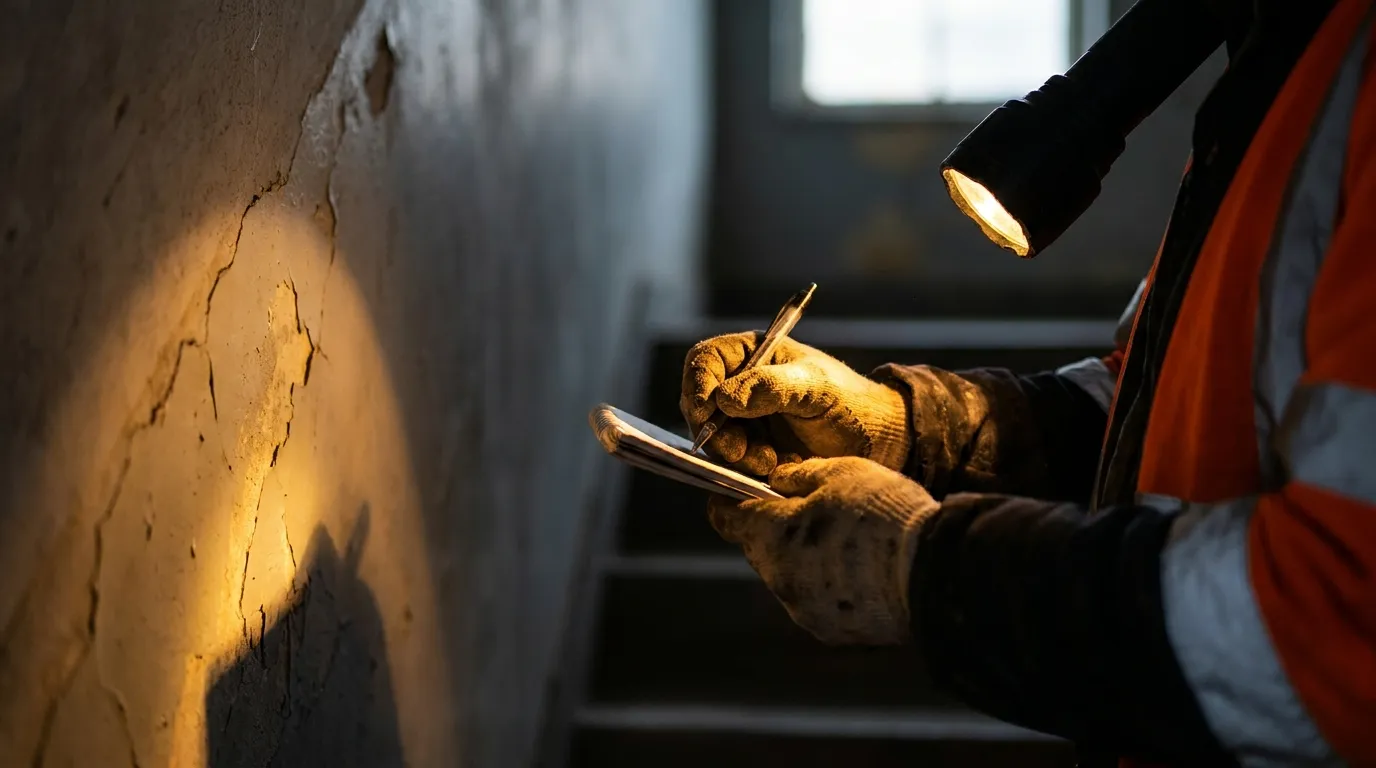
How Preventative Maintenance Saves Strata Committees Thousands
The maths of prevention vs reaction in strata buildings. Real numbers, real examples, and how to budget preventative maintenance through your capital works fund.
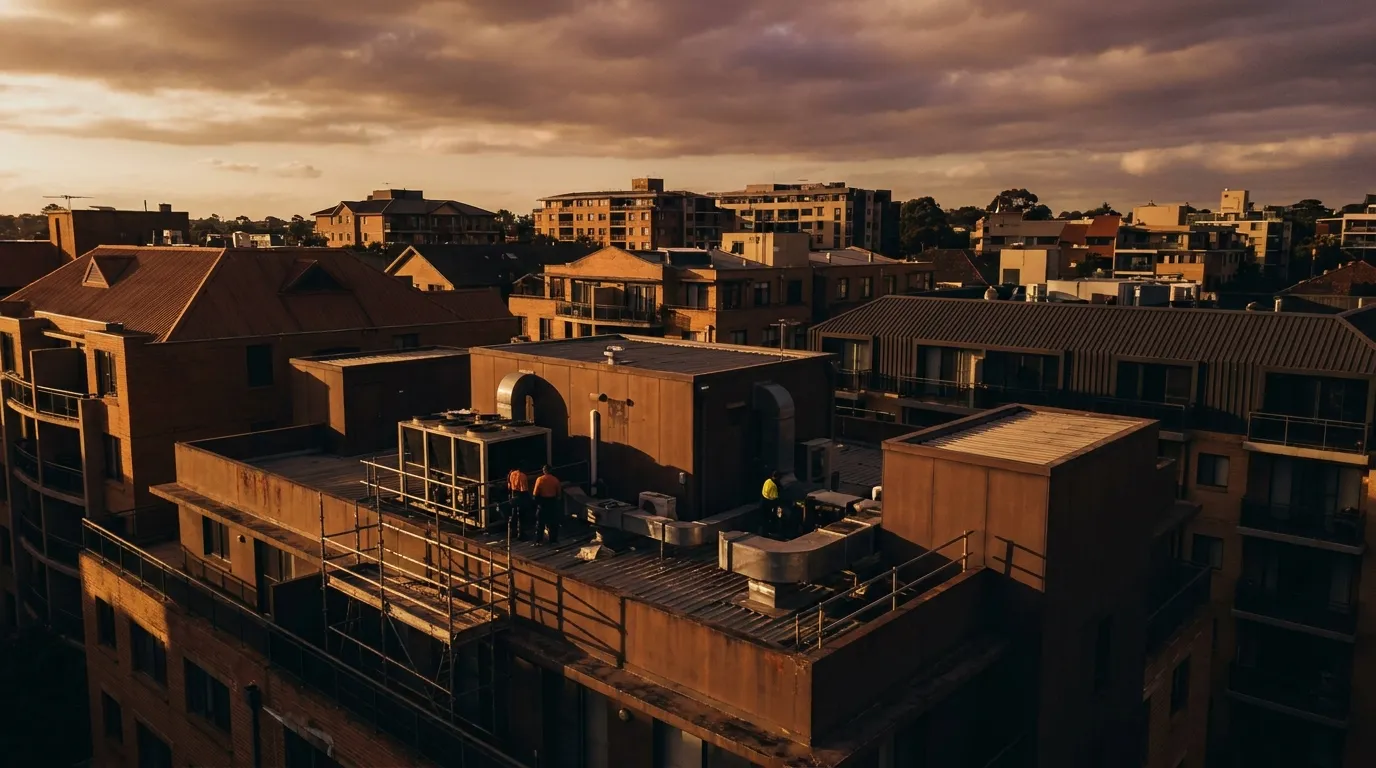
The Most Common Strata Maintenance Issues We See in Sydney
Eight problems show up on almost every Sydney strata building we walk into. Here's what causes them, what they cost to ignore, and what early action looks like.
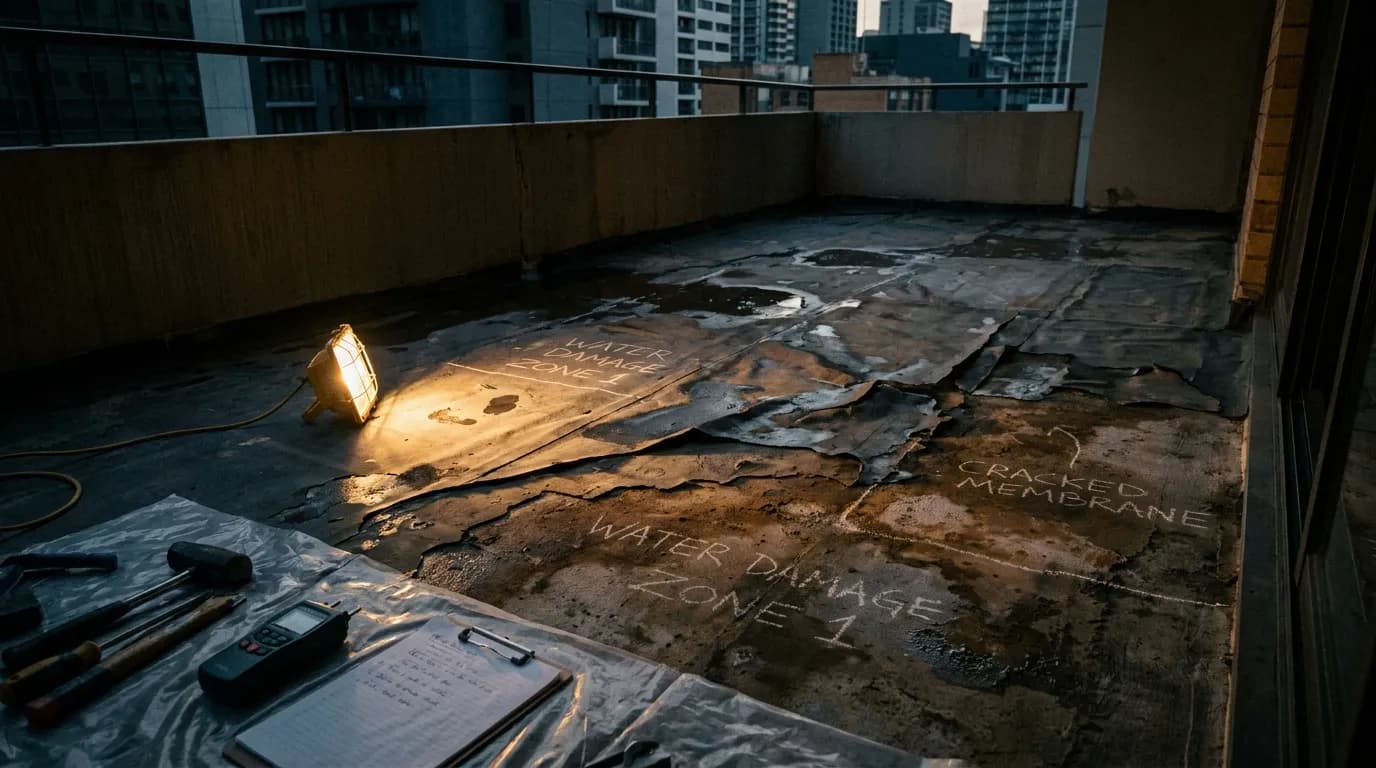
Why Waterproofing Failures Become Expensive Strata Problems
Waterproofing membranes fail silently and compound fast. The real cost curve of balcony, planter box, lift pit, and roof terrace failures in Sydney strata buildings.